



The Englert Advantage
Englert Inc. is the gold standard for commercial and residential metal roofing and gutter systems. For over 50 years, we have been a leading metal roofing and gutter manufacturer, consistently innovating and improving the quality of our products to meet the ongoing challenges of a changing world
Learn MoreLearn why Englert is the leading metal roofing company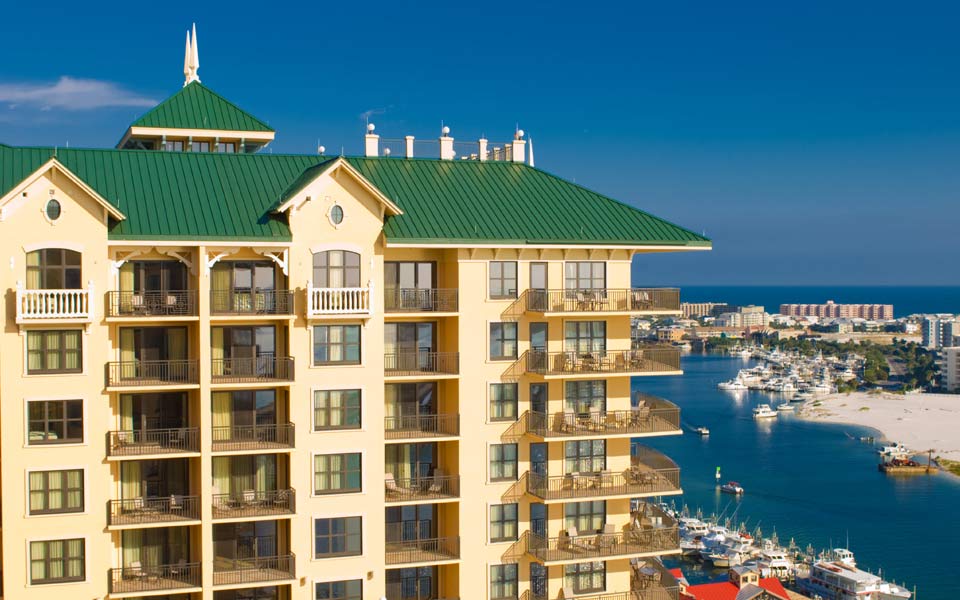
Contractors
As a contractor working on a roofing project, you think about a lot of details: product quality, installation issues, material availability, costs and permits. At Englert, our commitment to contractors start with the quality and sustainability of our products, matched by our excellent customer service. You can always rely on Englert to support the success of your projects and to maximize your profitability, every step of the way.
Architects
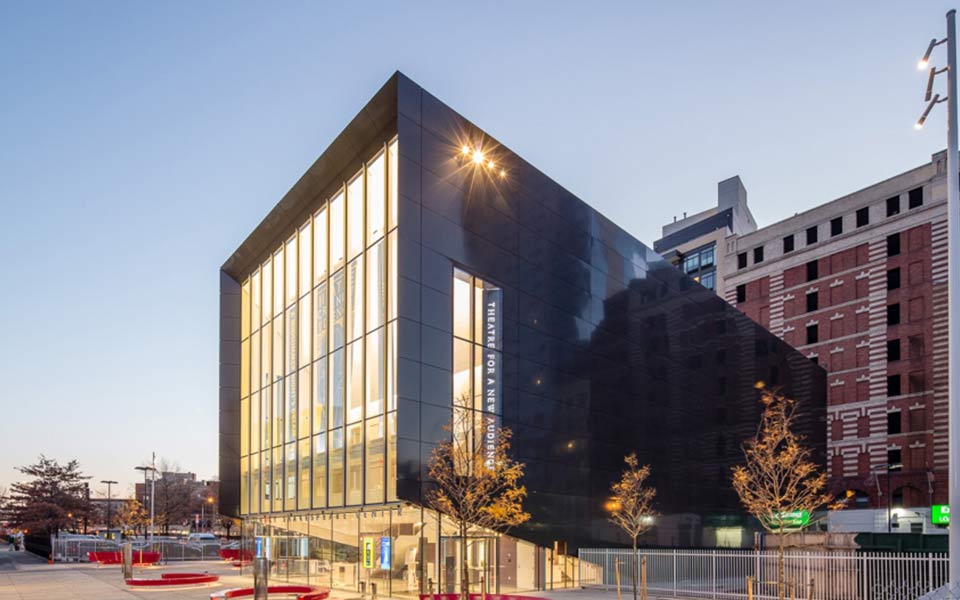
As an architect or engineer working on a roofing project, you care deeply about making sure the products you select will work for your project, including quality and aesthetics, UL ratings, warranties, longevity, and testing. At Englert, we are committed to supporting you in a timely, personal way, offering a great all-around partnering experience to ensure your success. We do this through our product quality, aesthetic beauty, sustainability, top-notch service, and our commitment to sustainability.
Home and Building Owners
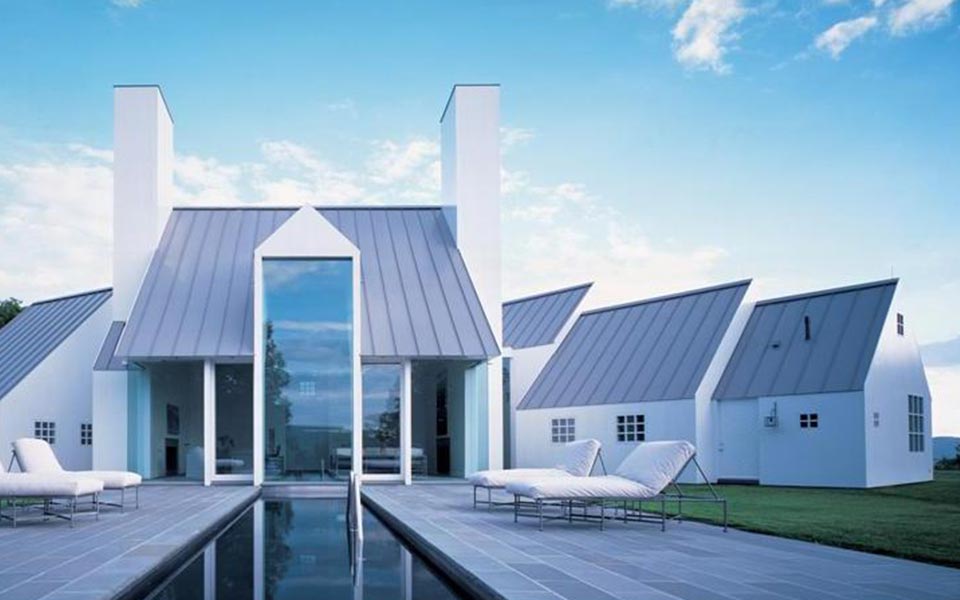
As a home or building owner working on a roofing project, what are your highest priorities? Curb appeal? Longevity? Environmental ratings? Safety? Colors? Cost? At Englert, we are committed to helping you on all these fronts. Color, durability and sustainability are only three of the reasons you might choose to build with an Englert metal roofing system. We make the highest quality standing seam metal roofing material, coating our metal with EnergyStar, LEED-compliant coatings on our in-house paint line.
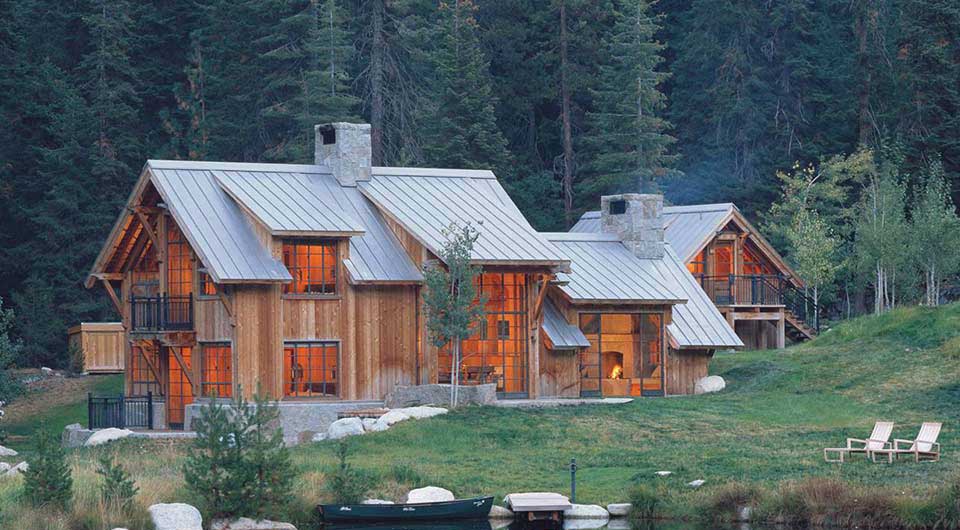
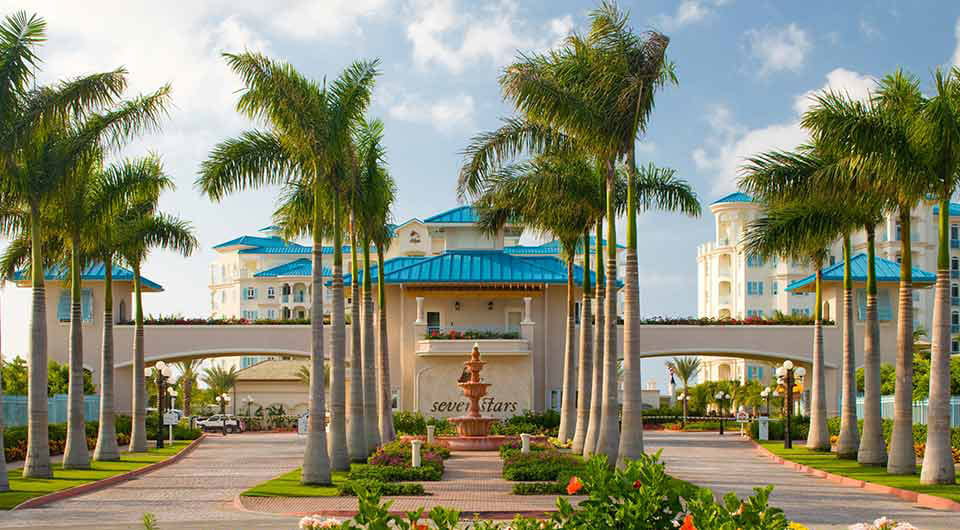
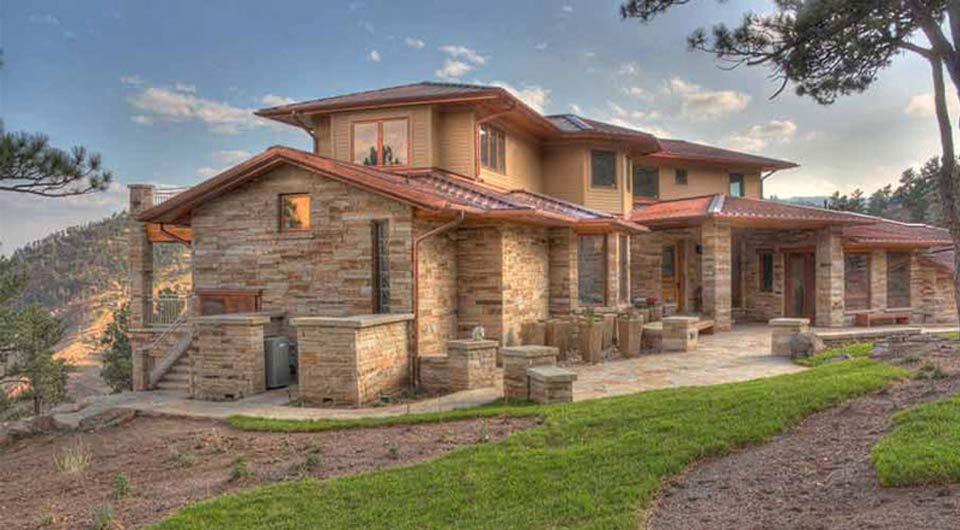
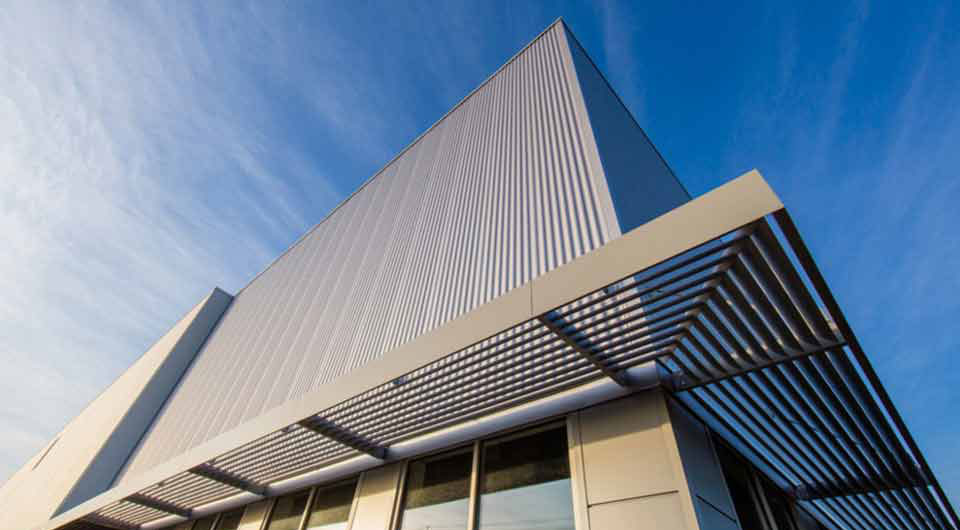
Visualizer Design Studio
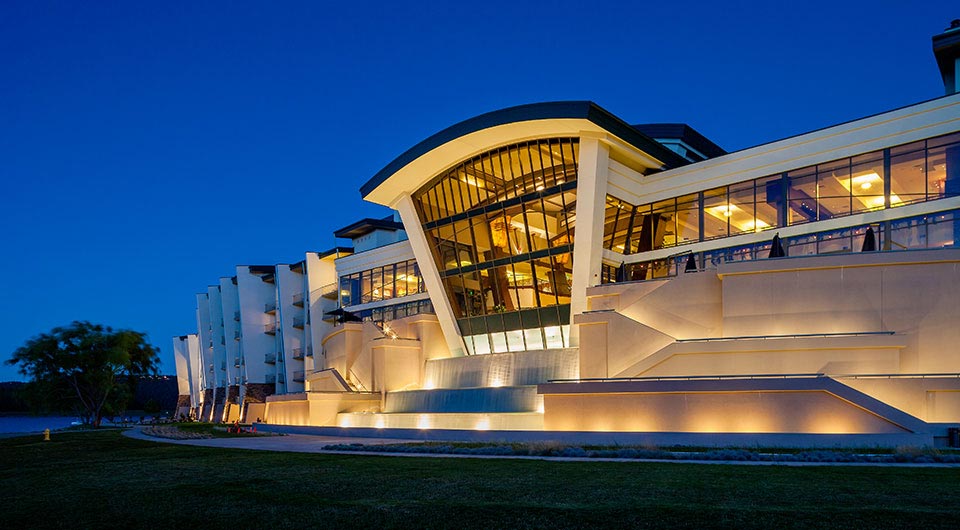
Want to see what your home or building will look like with one of our metal roofs? Englert’s visualizer design tool lets you personalize your project quickly and easily. Snap a picture of your home or building, then customize all aspects of the product to see how Englert can spruce up the look of any project. Our visualizer tool is built responsively so you can design anytime, anywhere, on any device.
START DESIGNINGSee how a metal roof will look on your building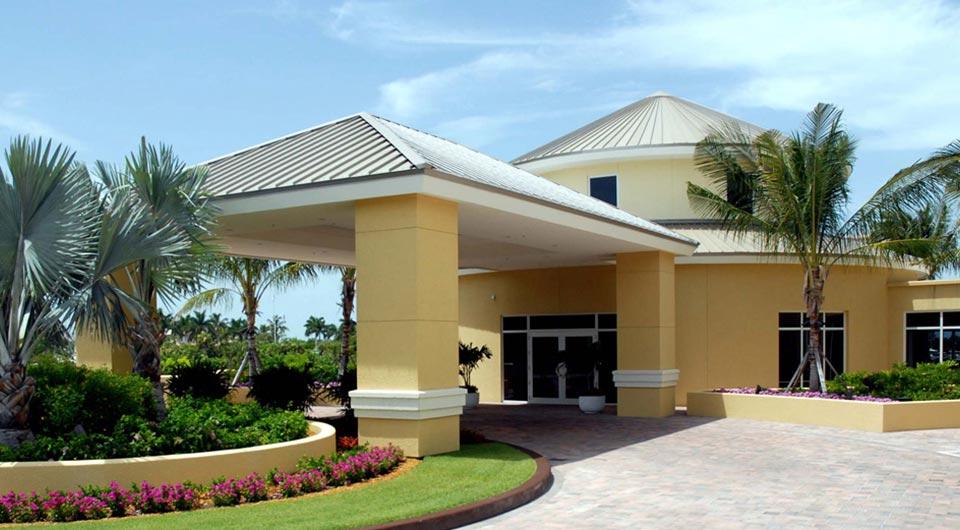
Resource Center
Stay ahead with the latest insights on metal roofing solutions and gutter solutions.
View ResourcesView resources on metal roofing and gutter systems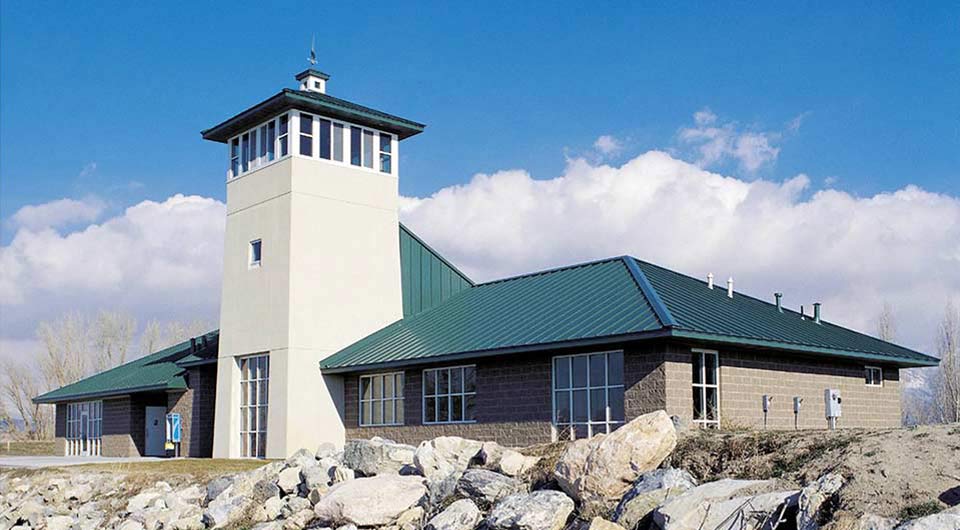
Warranties
We offer the best warranties for metal roofing, coil coating, and portable roll-forming equipment.
View WarrantiesView metal roof warrantiesLatest Articles
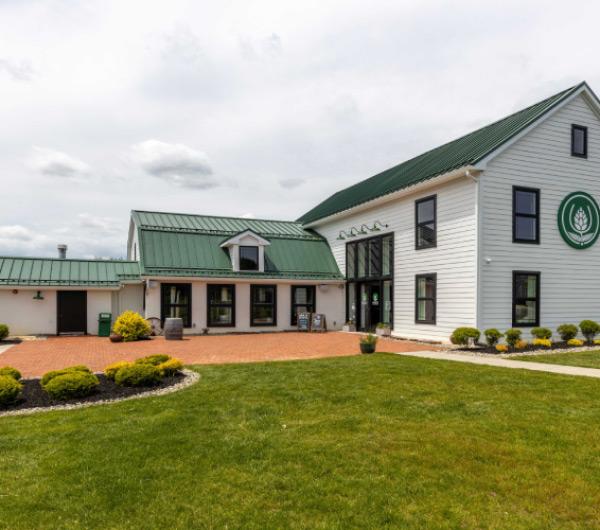
Source Farmhouse Brewery Chooses Englert Roofing for their Business
Source Farmhouse Brewery,&nbs
View ArticleView articles on metal roofing and gutter systems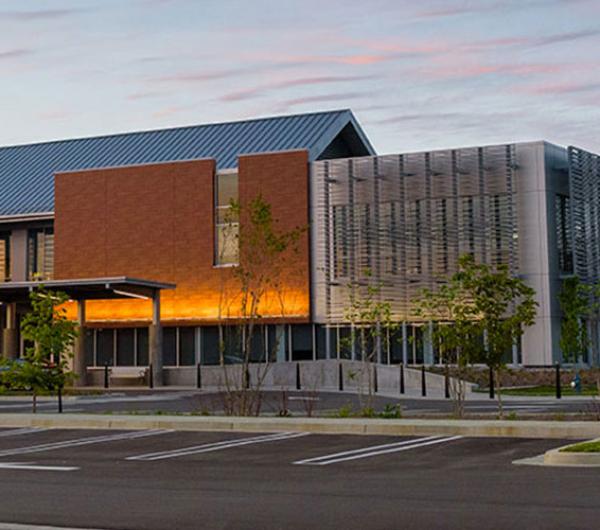
Difference Between Galvalume And Galvanized In Metal Roofing Projects
Englert breaks down the difference between Galvalume and Galvanized steel.
View ArticleView articles on metal roofing and gutter systems
Bending Techniques for Aluminum Differ From Steel
Learn bending techniques for aluminum and why they are different than steel.
View ArticleView articles on metal roofing and gutter systems
How to Prevent Ice Dams
Learn the cause of ice dams and how to reduce ice dams forming on your roof.
View ArticleView articles on metal roofing and gutter systems
Why Metal Roofs are Sustainable
With the rise of sustainability, metal roofs are being seen in a new light.
View ArticleView articles on metal roofing and gutter systems