What is the best gutter system for residential buildings?

Choosing the right gutter system is essential for protecting your home from water damage. Gutters channel rainwater away from your home's foundation, walls, and landscape, preventing erosion, basement flooding, and other moisture-related problems. With various types of gutter materials, styles, and technologies available, homeowners often have several questions about which gutter system suits their needs best.
In this guide, we'll address some of the most frequently asked questions about gutter systems to help you make an informed decision. From comparing different gutter technologies like LeafFilter and LeafGuard to discussing the benefits of seamless versus regular gutters, we aim to provide you with the knowledge you need to choose the best guttering for your home in the USA.
What are the Types of Gutter Systems?
Seamless Aluminum Gutters
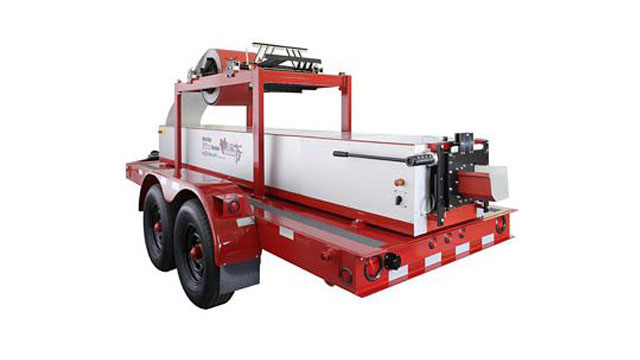
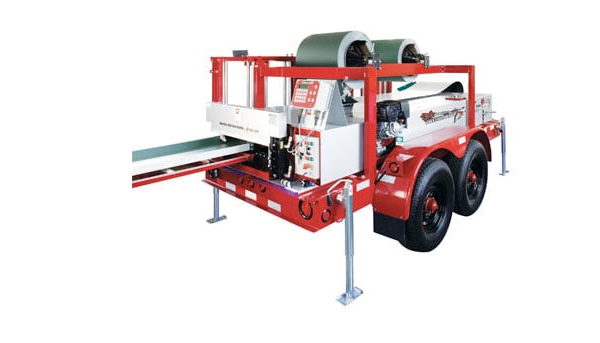
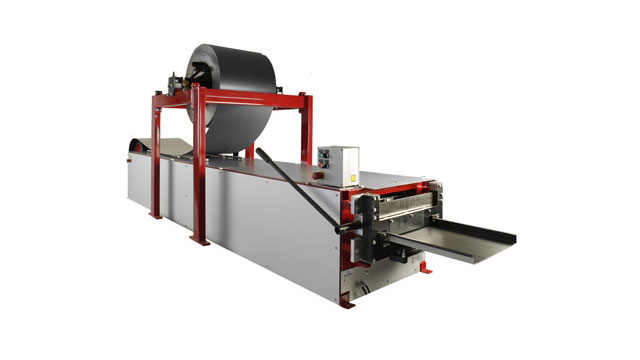
Seamless gutters are made from one continuous piece of material, typically aluminum, which is custom-fitted to the home right at the installation site. It eliminates joints along the length of the gutter, which reduces the chances of leaks.
They are known for their long life and can last up to 30 years with proper maintenance. Seamless gutters are available in various widths, commonly 5 or 6 inches, and can be painted to match the home's exterior.
Installation of these gutters is quicker because they are made to measure, but it requires professional handling.
They are moderately priced, higher than pieced-together gutters but offer durability that can save money long-term. Maintenance is straightforward since there are fewer places for debris to accumulate, making cleaning easier. Repairs might not be as simple due to the continuous design, often requiring professional service for significant damages.
Seamless Steel Gutters
Seamless steel gutters are incredibly sturdy and can handle heavy rain and snow loads, making them suitable for harsh climates. These gutters are typically galvanized to prevent rust and can last up to 20 years with proper care.
Like seamless aluminum gutters, they are made on-site to fit the house and are available in a variety of colors.
Though they are more expensive than aluminum, their resilience makes them a cost-effective option over time. Maintenance includes regular cleaning and inspection for rust spots, which need to be addressed promptly to prevent deterioration.
Pieced-Together
Pieced-together gutters, also known as sectional gutters, are made from smaller sections joined together during installation. These gutters are often made from aluminum, vinyl, or steel and are chosen for their cost-effectiveness.
While the initial cost is lower, the joints in sectional gutters can lead to leaks and require more maintenance to ensure they remain clear of debris and functioning well. They are easier to install by either homeowners or professionals, allowing for more flexibility in planning. Repairing these gutters is simpler than seamless ones, as damaged sections can be easily replaced.
Aluminum Gutters
Aluminum gutters are lightweight and rust-proof, making them one of the most popular choices among homeowners. They can last up to 20 years, depending on the climate and maintenance. Aluminum gutters come in various colors and sizes, and their lightweight nature makes them easy to install.
These gutters are suitable for most climates and maintain their integrity under various weather conditions. Maintenance involves regular cleaning to prevent clogs and minor repairs, which are generally simple to manage.
Vinyl Gutters
Vinyl gutters are made from a lightweight plastic that is easy to install and is the most affordable gutter option available. They are resistant to rust and corrosion, making them a good choice for mild climates. However, vinyl can become brittle and crack in extreme cold or degrade in continuous high heat.
Vinyl gutters are available in various colors, and because the color is integrated into the material, they do not require painting. Their lightweight nature allows for easy repairs and replacements, although their lifespan is shorter than metal options.
Copper Gutters
Copper gutters are high-end options known for their exceptional beauty and longevity. They can last over 50 years with minimal maintenance. Copper develops a patina over time that can add to the aesthetic appeal of a home's exterior.
They do not rust or require painting, making them low maintenance. However, copper gutters are expensive and generally require professional installation. They are a significant investment but add value to a property due to their durability and upscale appearance.
What are the strongest gutters for rain?
Seamless steel gutters are among the strongest gutters available for handling heavy rainfall. Designed to be durable and sturdy, they can support large volumes of water without bending or breaking.
Made from high-grade steel, these gutters are typically galvanized or coated to resist rust and corrosion, ensuring long-lasting performance even in harsh weather conditions.
What is the best gutter system for a home in California?
In California, aluminum gutters are the best choice for most homes. They are lightweight, rust-resistant, and durable enough to handle the state's varied climate, from dry conditions to occasional heavy rains.
How to Choose the Best Gutter System?
When choosing the best gutter system for a residential building, several factors need to be considered:
Materials
The material of the gutters is crucial because it determines the durability, maintenance needs, and appearance.
Common materials include:
- Aluminum
Popular due to its lightweight, rust resistance, and affordability. Aluminum gutters are suitable for most climates and come in various colors.
- Vinyl
The most cost-effective option, ideal for mild climates. Vinyl is easy to install and comes in many colors but can become brittle in extreme cold or degrade under intense sun.
- Copper
Offers longevity and a distinctive look that develops a greenish patina over time. Copper is more expensive but highly durable and virtually maintenance-free.
- Steel
Strong and can handle heavy rainfall and snow, making it suitable for harsh climates. Steel needs to be treated to resist rust and is more costly than aluminum but less than copper.
Size
The size of the gutters must be appropriate for your home's roof size and the average rainfall your area experiences. Most residential gutters come in 5-inch or 6-inch sizes. A larger roof or a high rainfall area might require the wider 6-inch gutters to handle the increased water flow.
Style
Gutters not only serve a functional purpose but also enhance or detract from the look of your home. Consider the following styles:
- K-Style Gutters
The most common type, which has a decorative face that mimics crown molding. K-style gutters are both functional and aesthetically pleasing, making them a favorite for many homeowners.
- Half-Round Gutters
These feature a half-circle design that is especially suitable for older, historic homes. While stylish, they are generally less effective at managing large volumes of water compared to K-style.
- Custom Styles
Some homes, particularly modern or custom designs, might benefit from custom gutter styles that complement unique architectural elements.
How to Install Gutters?
- Measure the roof edges to determine the length of gutters needed.
- Purchase gutter sections, downspouts, hangers, end caps, and sealant.
- Calculate and mark the pitch of the gutters, aiming for a slope of about 1/2 inch drop per 10 feet towards the downspouts.
- Install hangers along the fascia every 24 inches, aligned with your pitch marks.
- Cut the gutter sections to length using a hacksaw or tin snips.
- Attach the gutter sections to the hangers, starting from the end farthest from the downspout. Ensure they slope towards the downspouts.
- Apply sealant at all joints and where sections overlap to prevent leaks.
- Install end caps at the ends of the gutters with rivets and sealant.
- Connect downspout assemblies to the outlets on the gutters.
- Ensure downspouts direct water away from the house foundation.
- Test the gutters with a hose to check for and address any leaks.
Which type of gutters are best?
The best type of gutters for most homes are aluminum gutters. They offer a good balance of durability, cost-effectiveness, and ease of installation.
Which is better, LeafFilter vs. leafguard?
Feature LeafFilter LeafGuard Type Gutter filter Complete gutter system Function Blocks debris from entering gutters Enclosed system that blocks debris Installation Added to existing gutters Replaces existing gutters Maintenance Low; occasional cleaning needed Very low; designed to be clog-free Cost Less expensive initially More expensive upfront Which is better, seamless gutters or regular gutters?
Seamless gutters are generally better than regular (sectional) gutters. They are less prone to leaks and require less maintenance over time due to the absence of seams except at corners and downspouts.
What is the best guttering for a house in the USA?
In the USA, the best guttering system depends on the specific climate and the homeowner's maintenance preferences. However, seamless aluminum gutters are widely recommended due to their durability, affordability, and effectiveness in various climatic conditions.