What's the Best Type of Metal Roof for Residential Roofing?
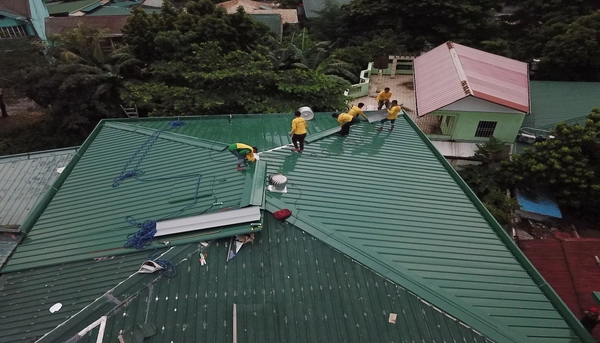
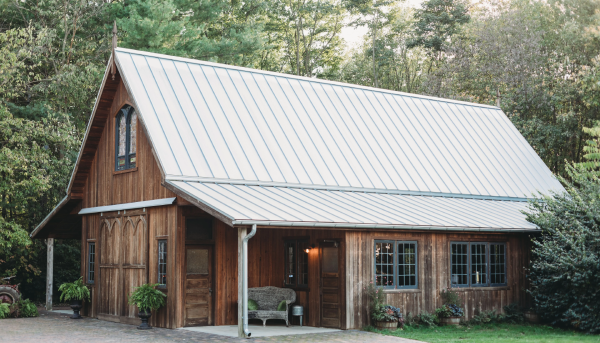
Metal roofing has come a long way from the days of corrugated tin sheets on barns and sheds. In fact, it’s one of the oldest roofing materials still in use with origins dating back to ancient Rome, where copper sheets were used on temple roofs. Over centuries, metal evolved from a utilitarian solution for industrial and agricultural buildings into a refined, architecturally versatile option for modern homes.
In recent decades, residential metal roofing has seen a major surge in popularity. According to the Metal Roofing Alliance, metal roofing now accounts for approximately 17% of the U.S. residential re-roofing market, a significant increase from just 3% in the late 1990s. Homeowners are drawn to its exceptional durability (lasting 40–70+ years), low maintenance, energy savings, and variety of styles — from clean, modern standing seam panels to shingles that mimic slate or wood.
But with several metals to choose from like steel, aluminum, copper, zinc, and stainless steel — plus different shapes, coatings, and installation methods, it’s important to choose wisely. The right choice depends on your climate, home design, budget, and how long you plan to stay in your home.
What are the different types of residential metal roofs?
Steel metal roofing
Steel roofing is the most widely adopted residential metal roof type in the U.S., offering a strong balance of performance, cost-efficiency, and flexibility. Available in galvanized and Galvalume-coated forms, steel resists corrosion when properly treated, making it viable for a wide range of climates. On average, a steel roof lasts 40 to 70 years depending on installation quality, coating, and exposure conditions.
Its popularity is due in part to its availability in various panel styles such as standing seam, corrugated, and metal shingles. These profiles allow homeowners to tailor steel roofing to both modern and traditional home designs. Thickness matters too 24- and 26-gauge steel are standard for residential use, with lower gauges offering more strength and dent resistance.
Most residential steel roofs come finished with high-performance coatings like Kynar 500®, which protect against fading and surface breakdown due to UV and weather exposure. Additionally, steel is recyclable and often manufactured using recycled content, enhancing its appeal for environmentally-conscious homeowners.
Pros and Cons of Steel Metal Roofing
Pros:
- Long-lasting (40–70+ years)
- Affordable compared to other metals like copper or zinc
- Available in various styles and finishes
- High strength and impact resistance
- Fire and wind resistant
- Compatible with solar panels
- Recyclable and eco-friendly
Cons:
- Can be prone to rust if not properly coated
- Noisy during heavy rain without proper insulation
- Thermal movement requires professional installation
- May dent from large hail if using thinner gauge
Aluminum metal roofing
Aluminum roofing is a preferred option for homes in coastal and high-humidity areas due to its exceptional corrosion resistance. Unlike steel, aluminum does not require special coatings to prevent rust; it forms a natural oxide layer that protects it from moisture damage. This self-protective quality makes it highly durable in salty or wet climates where other materials may degrade faster.
Aluminum is also one of the lightest roofing metals, making it suitable for older homes or structures that cannot bear heavier roofing loads. Despite being lightweight, it maintains impressive performance in storms and heavy rain. A well-maintained aluminum roof can last 40 to 60 years, especially when using thicker panels and premium coatings.
Available in profiles such as standing seam, metal shingles, and interlocking panels, aluminum roofing can also be finished in a wide range of colors using high-end PVDF coatings like Kynar 500®. Common thicknesses used in residential roofing are .032" and .040", which balance flexibility with structural strength.
Pros and Cons of Aluminum Metal Roofing
Pros:
- Naturally rust- and corrosion-resistant
- Great for coastal and humid climates
- Lightweight and easy to install
- Highly recyclable and eco-friendly
- Good energy efficiency with reflective coatings
Cons:
- Softer metal → more prone to dents
- Typically more expensive than steel
- Less structural strength than steel in large spans
- May require extra insulation for noise control
Copper metal roofing
Copper is widely recognized as the premium choice in residential metal roofing. Its use dates back centuries and is still admired today for its timeless aesthetic, longevity, and ability to develop a protective patina, a greenish-blue layer that enhances its beauty and shields it from corrosion.
Copper roofs are known for their unmatched lifespan, often exceeding 100 years with minimal maintenance. Naturally resistant to rust, mold, fire, and pests, copper doesn't require coatings or finishes to remain effective. Its ability to adapt to both traditional and contemporary architecture makes it a flexible yet luxurious option.
Copper is typically available in standing seam panels, tiles, or flat sheets, often used on high-end custom homes or historic restorations. It's soft and malleable, allowing for precise detailing, but this also means it's more prone to dents from hail or foot traffic.
Pros and Cons of Copper Metal Roofing
Pros:
- Incredible lifespan (often over 100 years)
- Requires no coatings or maintenance
- Develops an attractive patina over time
- Extremely durable and corrosion-resistant
- Adds unique architectural value
Cons:
- One of the most expensive roofing materials
- Prone to denting (soft metal)
- Patina may not appeal to everyone
- Not ideal for all home styles or neighborhoods
Stainless steel metal roofing
Stainless steel is a high-performance metal roofing material best known for its durability, corrosion resistance, and structural integrity. Originally used in industrial and commercial environments, it has found its way into modern residential architecture where long-term performance and aesthetics are priorities.
What sets stainless steel apart is its chromium content, which forms a self-healing oxide layer that resists rust even in extreme climates. Unlike other metals, stainless steel offers minimal thermal expansion, reducing the likelihood of stress on fasteners and seams. With proper installation, these roofs can last 50 to 80+ years.
Though naturally silver and reflective, stainless steel can be finished in matte, textured, or even colored coatings to suit different home styles. It's commonly available in standing seam panels but can also be customized for unique architectural applications.
Pros and Cons of Stainless Steel Roofing
Pros:
- High-end, ultra-durable finish
- Corrosion- and stain-resistant
- Strong structural strength
- Handles temperature extremes well
- Modern, clean aesthetic
Cons:
- Expensive (more than galvanized steel, less than copper)
- Limited color options unless coated
- Not as common — harder to source or install in some regions
Zinc metal roofing
Zinc is another high-end metal roofing material that combines longevity, beauty, and sustainability. Like copper, zinc develops a natural patina over time that protects the surface from corrosion and self-heals scratches. It's been popular in Europe for over a century and is now gaining traction in North America for premium architectural projects.
Zinc roofs can last 80 to 100+ years, and they require minimal maintenance. They're also one of the most environmentally friendly roofing materials: zinc has a low melting point, is energy-efficient to produce, and is fully recyclable.
Zinc is often used in standing seam applications or flat panels for modern, minimalist designs. It's soft and malleable, making it easy to form around curves or complex rooflines but that softness also means it can dent or mark more easily during installation or from impact.
Pros and Cons of Zinc Metal Roofing
Pros:
- Extremely long-lasting (80–100+ years)
- Self-healing surface for minor scratches
- Low maintenance over its life
- Environmentally sustainable and recyclable
- Unique matte finish that evolves over time
Cons:
- Expensive and not widely available
- Requires skilled installers familiar with zinc
- Can stain or streak if not detailed properly
- Soft metal = prone to damage during install
Common Styles of Residential Metal Roof Panels
Before selecting a metal roofing material, it’s important to understand the three most popular panel profiles used in residential homes. Each offers different benefits in appearance, performance, and cost.
1. Standing Seam Panels
These sleek, vertical panels feature raised seams that lock together using hidden fasteners. Their clean, modern look and strong water-shedding capability make them ideal for contemporary homes or snow-prone regions. They also pair well with solar panels and offer excellent long-term performance with minimal upkeep.
2. Metal Shingles or Tiles
Metal shingles are crafted to replicate the look of asphalt, slate, clay, or wood shakes, but with the superior strength and lifespan of metal. These are ideal for traditional homes, historic districts, or HOA-governed neighborhoods where visual continuity is important. They provide architectural charm with the benefits of modern roofing technology.
3. Corrugated and R-Panels
Known for their wavy or ribbed patterns, these panels use exposed fasteners and were originally developed for barns and industrial buildings. Today, they’re often used in rustic, farmhouse, or industrial-style homes thanks to their affordability and distinctive look. However, their exposed fasteners may require more routine maintenance over time.
What factors should I consider when choosing metal roofing materials?
- Use corrosion-resistant metals like aluminum or zinc for coastal/humid regions; steel is ideal for snow-prone areas.
- Steel is the most affordable, while copper and zinc are premium, high-cost options.
- Certain systems (like standing seam) are best for steep-slope roofs; low-slope roofs need special profiles.
- Some metal roofs require skilled professionals, especially standing seam and zinc.
- Go with thicker gauge steel or harder metals in hail-prone or high-traffic areas.
- Not all metals (like zinc or copper) are easily sourced or supported in all regions.
- Always confirm what’s allowed in your area before committing.
What should I know before I install a metal roof on my home?
- Choose experienced, certified installers for proper fit and finish.
- The system must allow for thermal movement to prevent warping or fastener issues.
- Use high-quality, breathable, or water-resistant layers to prevent moisture buildup.
- Even though most metal roofs are lightweight, older homes may need structural checks.
- Proper attic ventilation prevents heat buildup and condensation under the metal.
- Without proper insulation or decking, rain or hail may sound louder.
- Some systems can go over old shingles, but only if the roof deck is solid and local codes allow.
- You may need snow guards in colder climates to prevent dangerous roof avalanches.
Why you should choose metal roofing over asphalt shingles
Choosing metal roofing over asphalt shingles may seem like a big upfront investment, but it's often the smarter long-term move — especially when you factor in durability, performance, and maintenance. Here’s why metal often comes out ahead:
- Metal roofs last 40–70+ years, while asphalt shingles typically last only 15–30 years.
- Though metal roofs cost more upfront, they require fewer replacements and repairs.
- Metal resists fire, wind, hail, mold, and rot, while asphalt can crack, curl, or blow off in storms.
- Metal reflects sunlight and reduces attic heat, helping cut cooling costs in warmer months.
- Whether it's snow, rain, wind, or extreme heat, metal performs better than asphalt.
- Metal requires minimal upkeep, unlike asphalt which needs patching or cleaning.
- Metal comes in a wide variety of styles — from modern standing seam to classic shake-look shingles.
What is the best grade of metal roofing?
The best grade of metal roofing is 24-gauge Galvalume steel with a Kynar 500® (PVDF) coating.
This combination offers excellent strength, corrosion resistance, and long-term color retention. Thicker 24-gauge steel holds up better in storms and harsh climates, while PVDF coatings protect against UV fading and chalking.Which metal is most suitable for roofing applications?
Steel is the most suitable and widely used metal for roofing applications. It offers a strong balance of durability, affordability, and design flexibility. Galvalume-coated steel, in particular, resists rust and performs well in a wide range of climates, making it ideal for most residential roofs.
What type of metal roof lasts the longest?
Copper and zinc roofs last the longest, often exceeding 100 years. These premium metals naturally resist corrosion and develop protective patinas over time. For a balance of lifespan and cost, coated steel roofs can also last 40–70 years with proper maintenance.
Can a metal roof be installed on any type of home?
Yes, a metal roof can be installed on almost any type of home. Metal roofing systems come in a variety of profiles (like shingles, standing seam, or tiles) that work with modern, traditional, low-slope, and steep-slope roofs. Structural compatibility and local code compliance should always be confirmed first.
Is a metal roof worth the cost?
Yes, a metal roof is worth the cost for its durability, energy efficiency, and low maintenance.
While initial costs are higher than asphalt shingles, metal roofs last 2–3 times longer, reduce energy bills, and increase home resale value making them cost-effective over time.Do metal roofs attract lightning?
No, metal roofs do not attract lightning. Metal is a non-combustible material that actually makes your home safer during a lightning strike by dissipating the electrical charge without igniting. Lightning is attracted to height and structure, not material type.
Will a metal roof make my house hotter?
No, a metal roof will not make your house hotter, it can actually keep it cooler. Metal reflects solar radiant heat rather than absorbing it like asphalt shingles, especially when finished with cool roof coatings. This helps reduce attic temperatures and cooling costs.