Simple Ways To Extend The Lifespan of Your Metal Folding Machine
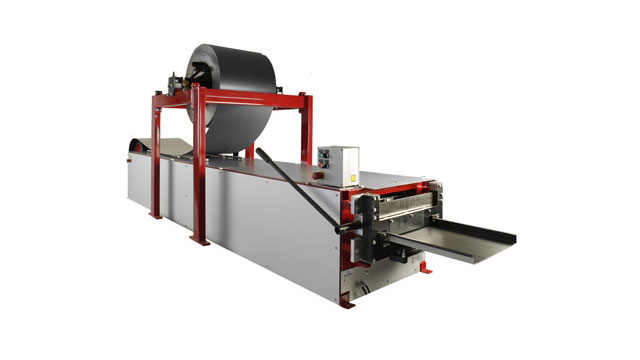
Have you ever wondered what keeps your metal folding machine in top-notch condition, ensuring it operates seamlessly and efficiently?
Metal folding machines are indispensable tools for contractors, offering precision in shaping metal for various applications. From shaping metal panels to creating precise folds, metal folding machines are essential assets. However, like any mechanical equipment, they require regular maintenance to prolong their lifespan and maintain optimal performance.
In this blog, we will explain the importance of metal folding machines and provide a detailed list of maintenance practices to help you keep your equipment in excellent working order.
The Importance of Metal Folding Machines
Metal folding machines play a crucial role in the construction and manufacturing industries. They are designed to bend and shape metal sheets with precision, allowing you to create intricate and accurate components for your projects.
These machines are instrumental in achieving efficiency, accuracy, and cost-effectiveness in metalworking processes, contributing to the overall quality and speed of metal fabrication projects.
Neglecting the maintenance of these machines can lead to decreased performance, increased downtime, and higher repair costs.
Englert’s Metal Folding & Shearing Machines
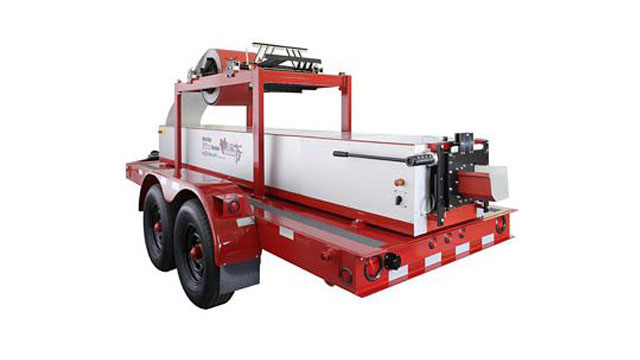
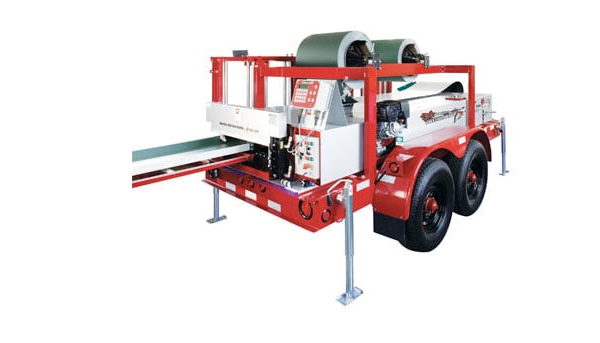
Englert's machines for folding and cutting metal sheets make it easy for workers to create precise and even bends and cuts. These machines are a great balance of high-quality performance and easy-to-use controls, ensuring accurate results.
Our machines for folding and cutting metal are made with your needs in consideration. They produce top-notch parts that fit perfectly and can be quickly assembled on the construction site.
Englert’s Metal Folding Machines include:
- Mark IV Industrial TrimMaster:
The Mark IV Industrial TrimMaster® is a handy tool that makes bending and cutting sheet metal easy. It's designed for single-person setup and use, whether you're in the shop or on the job site. It has special vinyl strips to protect the metal's finish, leaving you with clean and precise bends. The unique cam-locking system adjusts to the material's thickness, not a factory setting. If you ever need to make fine adjustments, each casting comes with independently adjustable UHMW plastic wedges. - Industrial Metal Master 20:
The Industrial Metal Master® 20 is a portable tool with a 20 ⅜” (51.8cm) throat brake, giving you more flexibility for complex bends needed in metal and commercial roofing jobs. It comes with the latest computer-aided design and manufacturing technology, making it a one-stop-shop for all your job site bending needs. Whether you're working on "W" style valley-pan & rake edges, soffits & roof flashings, or wide hip and ridge cap, HVAC duct & plenum work, this tool has you covered. - RAS TurboBend Plus Folding System:
The TurboBend Plus is a smart tooling system that can create boxes up to 110 mm deep. It comes with two different shapes of tools: one for long return flanges and another for narrow parts. The 15" touch control is easy to use, and with the RAS programming, you can use your finger like a pencil. The CADalyzer automatically creates the program using the part drawing, and a bend sequence simulation shows if the part can be produced. - RAS TurboBend Folding System:
The folding beam is the star of the show in the RAS TURBObend. This tool takes your production to a whole new level, providing precision and repeatable angles that you've always wanted. Thanks to Finite Element Analysis, the folding beam gets its unique rigid form, shape, and depth. Moving at 80 degrees per second, it smoothly brings the beam to a precise stop at the correct angle. - RAS SmartCut Swing Beam Shears:
The innovative RAS SMARTcut uses modern swing beam technology, not the traditional guillotine concept. This means twist-free cutting, even for small strips, with no stuck material and longer blade life. The swing beam system ensures right-angled and twist-free cuts. The sheet support and sorting system guides even thin metals reliably to the backgauge and sorts finished parts to the front or the rear.
Maintenance Checklist for Metal Folding Machines
- Routine Inspection: Regular inspections are fundamental in identifying potential issues before they escalate. You should conduct routine checks on various components, including the frame, clamping system, bending blades, and hydraulic system. Inspecting for wear, misalignment, or damage ensures early detection of problems, allowing for timely repairs and preventing extensive damage to the machine.
- Regular Cleaning: One of the simplest yet often overlooked aspects of metal folding machine maintenance is regular cleaning. Accumulated dirt, dust, and metal shavings can not only affect the machine's performance but also lead to premature wear and tear. Ensure that the machine is cleaned thoroughly after each use, paying special attention to nooks and crannies where debris can accumulate.
- Lubrication: Proper lubrication is essential for the smooth operation of metal folding machines. Regularly check and lubricate moving parts, such as hinges and joints, with a suitable lubricant. This not only reduces friction but also prevents corrosion, ensuring that the machine operates seamlessly over the long term.
- Blade Maintenance: The bending blades are critical components of a metal folding machine. Regularly check for signs of wear, chips, or deformation. Sharpen or replace blades as needed to ensure clean and precise bends. Proper blade maintenance not only guarantees the quality of the folded metal but also extends the life of the machine.
- Hydraulic System Care: The hydraulic system is the powerhouse of a metal folding machine. Check hydraulic fluid levels regularly and replace or top up as necessary. Inspect hoses, connectors, and seals for leaks or damage. Clean hydraulic filters to prevent contaminants from compromising the system's efficiency. Following these practices ensures the hydraulic system operates at peak performance, promoting the longevity of the machine.
- Alignment Checks: Accurate folds depend on precise alignment. Regularly inspect and adjust the alignment of the folding blades to ensure they are in perfect harmony. Misalignment not only affects the quality of the folds but can also exert unnecessary strain on the machine's components, leading to premature wear.
- Inspect and Replace Worn Parts: Wear and tear are inevitable with any mechanical equipment. Regularly inspect all components, including blades, clamps, and springs. Replace any worn or damaged parts promptly to prevent further damage and maintain the overall integrity of the machine.
- Calibration: Calibration is critical for achieving accurate bends and folds. Periodically calibrate the machine to ensure that it meets the specified tolerances. This not only enhances the quality of the finished product but also reduces the likelihood of errors and rework.
- Electrical Components Check: For hydraulic or electronically controlled metal folding machines, a thorough check of electrical components is crucial. Inspect wiring, connections, and control panels for signs of wear, corrosion, or loose connections. Address any issues promptly to prevent electrical malfunctions that could lead to downtime.
- Training and User Awareness: Invest in training for machine operators to ensure they are well-versed in the proper operation and maintenance procedures. User awareness plays a significant role in preventing accidental damage and ensuring that the machine is used optimally.
Conclusion
The performance of your metal folding machines are directly tied to the care and attention it receives. By incorporating these simple yet effective maintenance practices into your daily use, you not only extend the lifespan of the machine but also enhance its overall efficiency.