Best Roof for Hurricanes: A Complete Guide for Homeowners
When it comes to protecting your home from hurricanes, the roof plays a critical role. It’s not just a structural element, it's your first and last defense against violent winds, heavy rain, and flying debris.
In regions where hurricanes are a seasonal threat, choosing the right roof can mean the difference between safety and devastation.
This guide explores what causes roof failure during hurricanes, which roofing materials perform best, how roof shape and installation impact durability, and how to prepare your home before the storm season begins.
Summary
For hurricane zones, standing seam metal roofs are the most durable option — with wind ratings up to 160 mph and strong resistance to corrosion and impact. Hip roofs perform better than gables or flat roofs. Reinforced installation (decking, underlayment, and flashing) is critical. Upgrading even parts of your roof can significantly boost protection and reduce storm damage.
What Makes Roofs Fail During a Hurricane?
Hurricanes exert powerful aerodynamic forces on structures, especially roofs. One of the main causes of failure is wind uplift. As wind flows over the roof surface, it creates a low-pressure zone above, while the higher internal air pressure pushes upward.
This creates suction that can lift roof panels, shingles, or even the entire roof system. The most vulnerable areas are corners, ridges, and overhangs.
Another cause of failure is structural weakness due to poor fastening or aging materials. Roof decking that’s poorly secured, fasteners that corrode over time, and deteriorated underlayment all compromise the roof’s integrity.
Once the outer shell is breached, rainwater enters and causes internal damage, compounding the destruction.
How does wind uplift damage a roof?
Wind during a hurricane doesn’t just blow, it pushes, pulls, and twists. It creates turbulent pressure zones across the roof surface, targeting weak spots. This uplift and suction effect particularly affects roof edges, corners, and ridges, which are structurally vulnerable.
How does rain cause roof failure?
Wind-driven rain finds any gap or crack and forces its way in. Even a small entry point around a skylight, vent, or flashing can lead to major water damage, including soaked insulation and ceiling collapse.
How does debris compromise a roof?
Flying debris is another serious threat. Objects carried by wind — like branches, signage, or roofing fragments strike with enough force to crack tiles, tear shingles, or dent metal panels. These impacts break seals, puncture membranes, and expose the home to water infiltration and insulation damage. Repeated exposure to debris and moisture can lead to rot, mold, and structural deterioration.
Which Roofing Material Offers the Best Protection Against Hurricanes?
Choosing the right material is key to building a hurricane-resistant roof. The most effective materials balance wind resistance, impact tolerance, corrosion protection, and longevity.
Metal Roofing
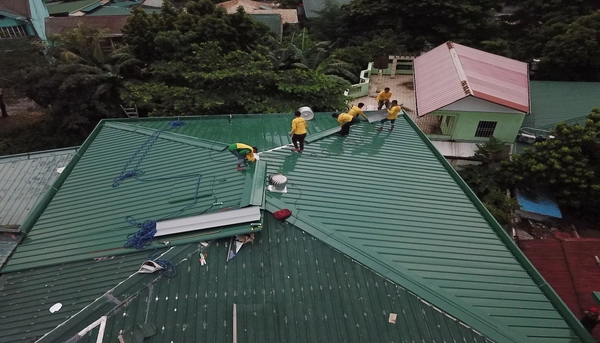
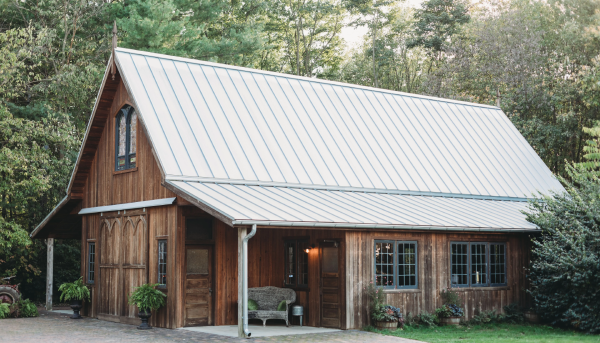
Standing seam metal roofs are widely considered the most hurricane-resistant. These roofs use long, interlocking vertical panels with concealed fasteners, reducing the number of exposed points vulnerable to wind or moisture. Metal roofs can be rated to withstand wind speeds of 140 to 160 mph.
Aluminum, in particular, offers superior corrosion resistance, making it ideal for coastal homes. Galvalume, a steel-aluminum alloy, provides good inland performance. Coated steel is strong but requires additional protection from rust.
Asphalt Shingles
Architectural asphalt shingles, especially those rated as Class F or with high wind certifications (like ASTM D3161), offer reliable performance up to 130 mph.
When installed correctly with six nails per shingle and sealed edges, they form a durable barrier. However, shingles can degrade faster under UV exposure and may lift more easily than metal or tile.
Concrete and Clay Tiles
These heavy materials naturally resist wind uplift due to their weight. Properly installed tile roofs can perform well in high winds, but they’re brittle and may crack under debris impact. Installation with foam adhesives and mechanical fasteners improves their resistance.
Wood Shake
Wood shake roofs can withstand wind well, but they are less common today. They require more upkeep and are prone to rot, mold, or insect damage in humid environments. Treated versions improve durability, but they remain a niche solution.
Is Metal Roofing Really the Most Hurricane-Resistant Option?
Yes. Among all materials, standing seam metal roofs consistently outperform others in hurricane scenarios. Their design minimizes wind uplift points, while the interlocking seams and concealed fasteners provide structural integrity. Aluminum, in particular, offers the best performance in salt-rich coastal environments due to its non-corrosive nature.
Metal roofs also have longer lifespans, lower maintenance needs, and can be installed over certain existing roof types, saving labor costs.
How Do Clay Tiles, Shingles, and Wood Shake Compare in Storm Zones?
Clay and concrete tiles offer excellent resistance to uplift but break more easily on impact. Their performance depends heavily on professional installation with approved fastening systems. Asphalt shingles are less expensive and easier to install.
When upgraded to wind-rated products, they perform well in moderate hurricane zones. Wood shake, while attractive and wind-durable, requires specialized care and may not meet modern building codes in all regions due to fire or moisture risk.
Can the Shape of Your Roof Affect Its Wind Resistance?
Yes. The geometry of your roof directly influences how it handles wind.
Hip Roofs
Hip roofs slope down on all four sides and are the most wind-resistant shape. Their aerodynamic profile allows wind to flow over smoothly, reducing uplift forces. Homes with hip roofs typically experience less hurricane damage.
Gable Roofs
Gable roofs, which have vertical walls at each end, are more vulnerable. The gable ends catch wind and create pressure zones that can lead to structural failure. These roofs must be properly braced and reinforced to withstand storms.
Flat Roofs
Flat roofs are especially susceptible to uplift at the edges and corners. They require specialized sealing systems and internal drainage to handle wind-driven rain. While common in commercial or modern homes, flat roofs demand more engineering to be storm-ready.
How to Improve Roof Performance During Hurricanes?
Fasteners and Decking
Material alone isn’t enough. The way a roof is installed can dramatically influence its storm performance. Concealed fasteners reduce exposure and limit mechanical wear.
Decking should be secured using ring-shank nails rather than staples, with closer spacing around edges to increase uplift resistance.
Underlayment and Waterproofing
Underlayment should be self-adhered, waterproof, and applied continuously beneath the outer surface. This secondary layer acts as a barrier if the surface material is compromised, especially during high wind events or flying debris impacts. See how to choose the right underlayment.
Flashing and Ridge Vent Sealing
Flashing, the metal or rubber sealants around chimneys, skylights, and joints must be tightly fitted and sealed. These are among the first points of failure during a hurricane. Proper ridge vent installation and edge treatment help regulate attic pressure and resist water entry.
Which Roofing Materials Work Best in Coastal and Salt-Prone Areas?
In coastal regions, salt-laden air accelerates corrosion. Aluminum roofs are best here. They do not rust and perform well even when scratched. Galvalume is an economical alternative further inland. Steel roofs, while strong, require high-quality coatings to survive near salt spray. Most manufacturers will not warranty uncoated or standard steel roofs within 1,500 feet of the ocean.
Understanding environmental exposure is crucial. What works 10 miles inland may fail on the beach. Coastal homeowners must consider salt resistance as a primary factor in material selection.
Are Hurricane-Resistant Roofs Worth the Investment?
Yes, absolutely. Though hurricane-rated systems carry a higher upfront cost, they offer significant long-term savings. Fewer repairs, lower insurance premiums, extended lifespan, and better storm survival rates all contribute to strong return on investment. In addition, many insurers offer policy discounts for storm-rated materials or systems that meet “fortified roof” standards.
Metal roofs can last 40–70 years, while asphalt shingles may need replacement every 15–25 years. Over decades, the cost difference in installation often disappears, especially after surviving major storms with minimal damage.
Can You Strengthen an Existing Roof Without Replacing It Entirely?
Yes. Retrofitting options allow homeowners to improve roof resilience without starting from scratch. Hurricane clips can be installed to tie rafters more securely to wall plates. Underlayment can be upgraded with peel-and-stick barriers. Flashing and vent boots can be replaced or resealed. Loose shingles can be refastened, and ridge caps reinforced.
Many of these upgrades are affordable and non-invasive. They provide an excellent option for homeowners looking to boost storm resistance between full roof replacements.
What’s the Smartest Way to Prepare Your Roof for Hurricane Season?
Preparation starts with a professional inspection. Roofing experts can identify loose materials, degraded sealants, or weak connections. Make repairs well before storms arrive. Clean gutters and downspouts, reinforce edge materials, and verify that ridge vents and flashing are secure.
If your roof is older or was installed before recent wind codes, consult a licensed contractor about upgrades. Building codes evolve with new hurricane research, and updating your home’s most exposed surface may be one of the most protective decisions you can make.
A hurricane-resistant roof doesn’t just protect your house — it protects your peace of mind.