Why It's Important to Invest in a Rainwater Gutter System? Protection, Pros & Cons, How To Install
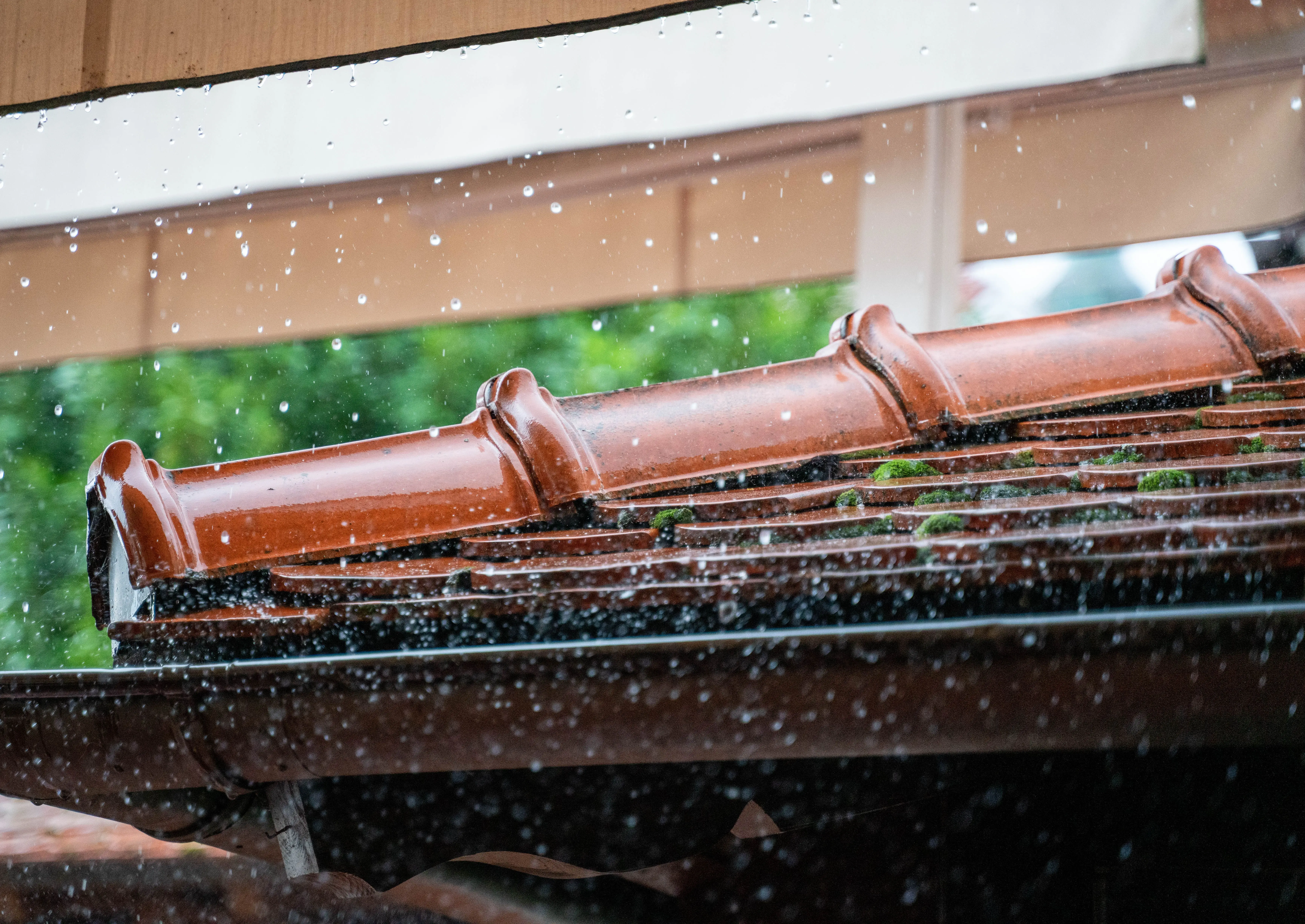
Rainwater gutters are one of the most overlooked but essential features of a home’s exterior. Their primary role is to direct water away from the foundation, roof, and walls, reducing the risk of structural damage, mold growth, and costly repairs. Without a reliable gutter system in place, rainwater can accumulate around the base of your home, seep into the basement, or erode landscaping over time. Installing quality gutters is not just a maintenance task—it’s a long-term investment in the protection and value of your property.
Whether you're building a new home or upgrading an older system, choosing the right components and materials is key.
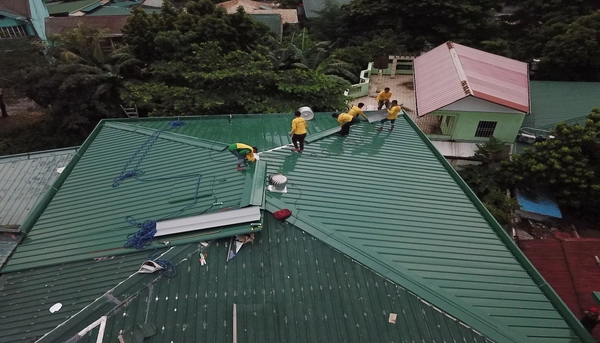
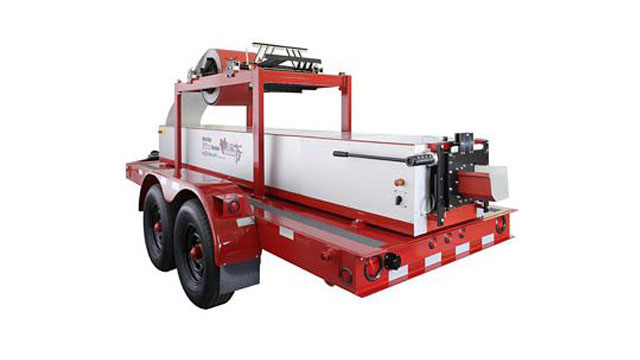
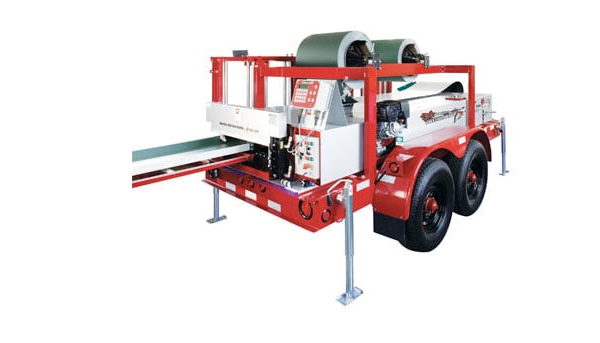
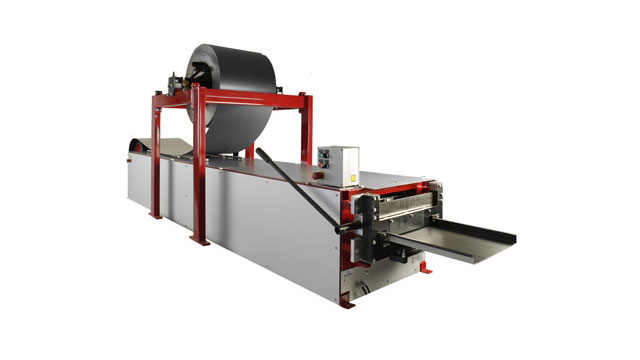
At Englert Inc., you’ll find a full selection of gutter systems, including high-performance options like RainPro® and K-style gutters, designed for both durability and aesthetic appeal. If you're planning a new installation, Englert’s gutter machines and accessories can help ensure a custom fit for your home. For additional protection and lower maintenance, you might also consider MicroGuard™ gutter screens to reduce clogging from leaves and debris.
1. Protect Your Home from Water Damage
Investing in rainwater gutters is an essential decision for homeowners looking to safeguard their property. These gutters serve as a key barrier, channeling rainwater away from your home’s foundation, walls, and basement. By directing water away, they prevent accumulation that can lead to structural damage, including weakened foundations, eroded walls, and flooded basements.
Research from the National Association of Homebuilders emphasizes that proper installation and maintenance of gutters are key to preventing water damage and protecting property value (Source: National Association of Homebuilders). They help prevent soil erosion around the property and maintain the integrity of your landscape. Without gutters, water can pool in gardens or on lawns, damaging plants and creating unsightly, muddy conditions. Gutters also minimize the risk of water seepage into your home, which can lead to the growth of mold and mildew, posing health risks and necessitating expensive removal efforts.
The installation of rainwater gutters not only prevents immediate water damage but also contributes to long-term savings by avoiding costly repairs.
2. Help Save Money on Repairs
Properly installed and maintained gutters guide rainwater away from the foundation of your home, reducing the risk of structural damage. When rainwater is allowed to pool around the base, it can lead to costly issues like foundation cracking or basement flooding, which often necessitates expensive remediation efforts.
Statistics show that homeowners can reduce their potential repair costs by up to 30% simply by ensuring efficient rainwater diversion through gutters. Additionally, by preventing soil erosion around the home and minimizing landscape damage, gutters help maintain property aesthetics and value, which could otherwise lead to further financial outlay. By channeling water effectively, gutters also diminish the likelihood of siding and roof damage, thus prolonging their lifespan and saving homeowners around 20% in potential repair and replacement costs.
3. Increase Your Home’s Value
Properly installed and maintained gutters direct rainwater away from the foundation, walls, and basements, thus preventing water damage that can undermine the structural integrity of the home. This protective measure not only helps in maintaining the aesthetic appeal of the exterior but also prevents long-term issues such as mold growth and wood rot, which are costly to remediate.
According to real estate experts, the addition of high-quality rainwater gutters can enhance a home's market value by up to 3%. Gutters contribute to the overall curb appeal of your home, making it more attractive to potential buyers. This visual appeal can translate into real financial value when it comes time to sell the property. This increase reflects the reduced risk of water damage and the lower maintenance and repair costs future homeowners would face. Therefore, installing rainwater gutters not only safeguards your home against the elements but also serves as a sound investment in its market value.
4. Preservation of Landscaping
Investing in rainwater gutters serves the vital purpose of protecting landscaping by managing rainwater runoff from your roof. This directed control prevents soil erosion around your home and preserves the integrity of your garden and yard. By channeling water away from the house, gutters reduce the risk of water pooling around the foundation, which can lead to costly damages over time.
The presence of gutters also helps maintain soil conditions by ensuring that heavy rains do not wash away soil nutrients or disrupt plant roots, which can be detrimental to the health of your landscaping. Efficient gutters can even contribute to water conservation practices by collecting rainwater for future use in the garden, thereby reducing your dependence on municipal water supplies and potentially lowering water bills.
A study published in the Journal of Sustainable Water Management highlights the effectiveness of rainwater harvesting systems, including gutters, in reducing overall household water usage and promoting sustainability. This demonstrates not only the environmental benefits but also the practical advantages of installing a reliable gutter system. Ensuring that your gutters are properly installed and regularly maintained will maximize these benefits, protecting your landscaping investment and enhancing your property's overall appeal and value.
5. Prolong the Life of Your Roof
Rainwater gutters play a direct role in extending the life of your roof by preventing water accumulation that can lead to rot and erosion. When water sits on the roof, it can seep under shingles and cause the roof structure to weaken. Properly installed gutters carry this water away, ensuring that the roof remains dry and less susceptible to water-related decay.
The absence of gutters can lead to persistent dampness on your roof, which often accelerates wear and encourages the growth of moss and algae. Over time, these organisms can degrade roofing materials. According to research from the National Roofing Contractors Association, effective water management systems like gutters significantly reduce the likelihood of such damage. They note that controlled water flow is not just about immediate impact but also about long-term structural integrity.
In areas prone to heavy rainfall, the role of gutters becomes even more pronounced. Without gutters, rain can pool around the base of your home, potentially leading to costly repairs. Gutters and downspouts are tailored to ensure that water from storms is efficiently directed away from your home, thereby preserving various structural components, including the roof.
6. Environmental Benefits
Investing in rainwater gutters is an effective way to reduce water wastage and protect natural resources. These systems efficiently collect and redirect rainwater, minimizing soil erosion and reducing the strain on local water supplies.
Rainwater gutters play a key role in preserving the environment by preventing uncontrolled runoff. Without proper drainage, rainwater can carry pollutants like pesticides, fertilizers, and debris directly into nearby rivers and lakes. By channeling rainwater through designated pathways, gutters help filter contaminants and safeguard aquatic ecosystems. According to a study published by the Environmental Protection Agency (EPA), stormwater runoff is a major contributor to water pollution, making proper management essential for environmental protection.
These systems also contribute to sustainable water use. Collected rainwater can be reused for tasks such as irrigation, vehicle washing, or household cleaning, reducing the demand on municipal water supplies. This practice conserves treated water resources and lowers utility costs, offering both environmental and economic advantages.
7. Avoid Basement Flooding
Investing in rainwater gutters is essential for protecting your basement from flooding by effectively channeling water away from your home's foundation. Without gutters, rainwater can accumulate around the base of your home, eventually seeping into basement walls and floors. This can cause dampness, mold growth, and structural weakening.
According to the American Society of Home Inspectors, clogged or absent gutters are a leading cause of basement water issues. By installing well-maintained gutters, homeowners can reduce the risk of costly water damage and create a safer, drier living space. Regular cleaning and inspection of gutters can further enhance their effectiveness in directing rainwater safely away from the foundation.
8. Reducing Maintenance Hassles
Rainwater gutters simplify home maintenance by managing water flow and preventing unwanted accumulation near your home’s exterior. Without proper drainage, stagnant water can damage exterior paint, erode landscaping, and contribute to soil displacement around the foundation.
The National Association of Home Builders emphasizes that efficient gutters help homeowners avoid frequent repairs to siding, windows, and walls. Installing gutter guards can further minimize cleaning efforts by blocking debris from clogging the system. This preventive measure saves both time and money by reducing the frequency of necessary maintenance tasks.
9. Preventing Pest Infestations
Rainwater gutters play a role in controlling pests by eliminating areas where water can collect. Stagnant water is a common breeding ground for mosquitoes, while damp debris in clogged gutters can attract insects, rodents, and birds.
The Centers for Disease Control and Prevention (CDC) stresses the importance of eliminating standing water to reduce mosquito populations and the risk of disease. Clean gutters ensure water drains properly, preventing puddles that may invite unwanted pests. Installing downspout extenders can also help keep water away from your home's perimeter, further reducing pest attraction.
10. Prevents Foundation Damage
Rainwater gutters are vital in protecting your home’s foundation by directing water away from the base of the structure. Without gutters, heavy rainfall can cause soil erosion, which weakens the foundation and leads to cracks or shifting.
The American Society of Civil Engineers highlights that improper drainage is a common contributor to foundation instability. By ensuring gutters remain clean and functional, homeowners can protect against long-term foundation damage that could result in expensive repairs.
11. Create a Neater Look
Rainwater gutters contribute to a cleaner, more organized exterior by preventing unsightly stains and soil erosion around your home. Without gutters, rainwater cascades directly off the roof, splashing dirt and debris onto walls, windows, and walkways.
Over time, this buildup leads to streaked siding, discolored concrete, and muddy landscaping. By efficiently directing water away, gutters help maintain a tidy appearance and reduce the need for frequent exterior cleaning.
12. Eliminate Insects
Gutters help minimize insect problems by preventing damp conditions that attract pests. Clogged or malfunctioning gutters often collect water, creating an ideal environment for mosquitoes, ants, and termites.
The National Pest Management Association recommends maintaining clear, functional gutters as part of a proactive pest prevention strategy. Keeping gutters clean eliminates moisture buildup, making your home less inviting to insects seeking water sources and shelter.
13. Prevents Wall Stains
Rainwater gutters play a key role in protecting your home’s exterior from water stains. Without proper drainage, rainwater can spill over the edges of the roof, causing dirt and residue to streak down the walls. Over time, this runoff leaves stubborn stains on siding, brick, or stucco, diminishing the visual appeal of your property.
Installing properly positioned downspouts and ensuring your gutters remain debris-free helps direct water safely away from the walls, preserving the home’s exterior finish. Regular cleaning and maintenance can further prevent staining and extend the life of your home's façade.
How important are rain gutters to a house?
Rain gutters are important because they are responsible for water management around the house, helping to protect its structure and foundation.
One key reason is that gutters direct rainwater away from the foundation, preventing soil erosion and reducing the risk of water damage to the basement or crawl space. Another important role is safeguarding the roof by channeling water away from shingles, which minimizes leaks and extends the roof’s lifespan. Gutters also help protect the exterior walls, windows, and doors by preventing water from dripping down and causing stains, rot, or mold growth. Properly maintained gutters are essential for maintaining the long-term stability and appearance of a home.
Are Rain Gutters Necessary?
Yes, rain gutters are necessary for most homes. They help direct rainwater away from the foundation, preventing water damage, soil erosion, and basement flooding. Without gutters, water can accumulate around the base of the house, which may weaken the structure over time. Gutters also protect siding, windows, and doors by reducing water exposure.
While some homes with steep roofs or excellent drainage may manage without gutters, they are generally a reliable way to safeguard your property.
Are Gutters Worth the Investment?
Yes, gutters are worth the investment. They prevent costly repairs by protecting your foundation, landscaping, and exterior surfaces. By channeling water away from your home, they reduce the risk of mold growth, water stains, and structural weakening.
Installing quality gutters can also improve your home’s appearance and value. Investing in durable materials and proper maintenance ensures they perform effectively for years.
How Long Do Gutters Last & How Can I Increase Gutter Lifespan?
Gutters can last anywhere from 20 to 50 years, depending on the material used. Aluminum and galvanized steel gutters typically last around 20 years, while copper gutters can exceed 50 years with proper care.
To increase their lifespan, ensure regular cleaning to prevent clogs, inspect for leaks or damage, and confirm that downspouts are clear and draining properly. Installing gutter guards can reduce debris buildup and minimize maintenance needs, further extending their durability.
What is the purpose of rain gutters?
The purpose of gutters on a house is to collect the rainwater that falls onto your home and then divert it away from the house. This system helps protect the structure by preventing water from pooling around the foundation, which can cause serious damage over time.
Without gutters, rainwater can accumulate near the base of your home, seeping into the soil and creating pressure against the foundation. This pressure may lead to cracks, leaks, or even structural shifting. Gutters also help to reduce erosion by channeling water away from flower beds, lawns, and paved areas.
What are the pros and cons of gutters?
| Pros | Cons |
|---|---|
| Directs rainwater away from the foundation, protecting the structure. | Leaves, twigs, and debris can accumulate, causing blockages. |
| Controls the flow of water to prevent soil erosion and damage to plants. | Needs regular cleaning to function effectively. |
| Diverts water away from the house, reducing the risk of leaks and flooding. | Without proper installation or maintenance, gutters can sag or detach. |
| By controlling water flow, gutters minimize moisture buildup that can lead to mold growth. | In colder climates, trapped water can freeze and form ice dams. |
| Prevents rain from constantly splashing against walls, reducing wear and staining. | Clogged gutters may become a breeding ground for insects and pests. |
| By preventing excessive water pooling, gutters help protect roof shingles. | Installing gutters can be expensive, especially for seamless or customized systems. |
| Well-installed gutters can improve the home's appearance. | Metal gutters may rust over time without proper care. |
| Directs water away from siding and bricks, preventing unsightly stains. | Sectional gutters may develop leaks at the joints. |
| Available in various materials, colors, and shapes to match your home’s style. | During heavy storms, gutters may overflow if they aren’t properly sized. |
| Gutters can be fitted with systems to collect and store rainwater for reuse. | Excessive snow accumulation can add weight, damaging the gutter system. |
How to Install Gutters?
Installing gutters properly is essential to ensure they function efficiently in directing rainwater away from your home’s foundation. Follow these steps for a successful installation:
Materials and Tools Needed
- Gutters
- Downspouts
- Gutter hangers or brackets
- End caps
- Elbows and connectors
- Sealant or caulk
- Drill and screws
- Measuring tape
- Chalk line
- Level
- Ladder
- Safety gear
- Start by measuring the roofline where the gutters will be installed. Identify the best locations for downspouts, ideally at corners or near natural drainage points. Ensure you plan a slight slope (about 1/4 inch per 10 feet) toward the downspouts to encourage proper water flow.
- Using a chalk line, mark a guideline along the fascia board to ensure your gutters follow the appropriate slope. This will ensure water drains efficiently without pooling.
- Attach gutter hangers or brackets along the marked chalk line. These should be spaced every 24 to 36 inches for optimal support.
- Measure and cut the gutters to the appropriate lengths using a hacksaw or power cutter. Attach end caps securely with sealant to prevent leaks. Connect sections using gutter connectors or seam sealant to create a watertight fit.
- Place the gutter sections into the hangers or brackets. Secure them with screws to ensure they remain stable, especially during heavy rainfall.
- Attach elbows to the gutter outlets to direct water toward the downspouts. Position the downspouts against the wall and secure them with brackets. Ensure the bottom of each downspout directs water away from your home's foundation.
How Often Do I Need to Clean My Gutters After Installing Gutter Guards?
- Surrounding Trees: If your home is near trees that shed leaves, pine needles, or other debris, you may need to inspect and clean your gutters every 6 to 12 months.
- Type of Gutter Guard: Mesh and perforated guards typically block larger debris but may still allow fine particles through, requiring occasional flushing.
- Weather Conditions: Areas prone to heavy storms or strong winds may require more frequent checks to ensure no debris has clogged the system.
- Pest Activity: Birds or rodents may occasionally create nests in gutter openings, making periodic inspections important.
What Are the Main Benefits of Investing in Quality Rain Gutter Installation?
- Properly functioning gutters channel rainwater away from your home’s foundation, reducing the risk of basement flooding, erosion, and structural damage.
- Gutters prevent water from dripping down the walls, which helps avoid stains, mold growth, and exterior deterioration.
- Redirecting rainwater away from garden beds and grass protects plants from erosion and over-saturation.
- Consistent water drainage prevents excessive moisture buildup around the foundation, minimizing the risk of cracks and shifting soil.
- Efficient water drainage helps avoid standing water on your roof, which can lead to leaks and shingle damage.
- Dry surroundings reduce the chance of pests like mosquitoes, termites, and rodents nesting in damp areas.
- Well-maintained gutters with a neat installation improve your home's exterior look and contribute to property value.