Metal Roof Increases Home Value, Here's How - The Definitive Guide (2025)
What type of roof adds the most value to a home?
Metal Roofs
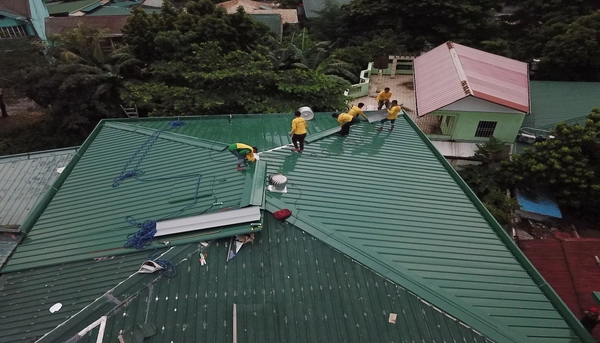
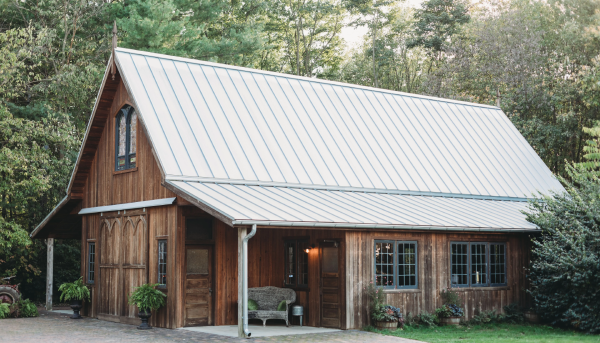
A metal roof, also known as a tin roof, significantly enhances a home's value due to its durability, longevity, and aesthetic appeal. Metal roofs come in a variety of colors and styles, including standing seam, corrugated panels, and metal shingles that mimic the look of traditional asphalt, slate, or wood.
Metal roofs are highly valued for their ability to withstand severe weather conditions such as heavy rain, hail, and high winds. They are also fire-resistant and can contribute to energy savings by reflecting solar radiant heat, which can reduce cooling costs by 10-25%.
The longevity of metal roofs is one of their most appealing attributes, with lifespans that can exceed 50 years, significantly longer than traditional roofing materials like asphalt.
Bonus Tip: Investing in a metal roof increases a home's resale value. You can expect to recoup around 60-85% of their investment in a new metal roof at resale, according to national averages. The enhanced curb appeal, combined with the functional benefits of durability and energy efficiency, makes metal roofs an attractive option for increasing home value.
Asphalt Roofing Shingles
Asphalt roofing shingles are another popular choice that adds significant value to a home, known for their cost-effectiveness and versatility. Asphalt shingles come in a wide range of colors and styles, including architectural shingles that provide a dimensional appearance and three-tab shingles that offer a traditional flat look. This variety allows you to select a style that complements their home's architectural features while fitting within their budget.
The benefits of asphalt shingles extend beyond their aesthetic flexibility. They are relatively easy to install and maintain, which can reduce upfront and long-term costs. Asphalt shingles offer sound dampening properties and adequate protection against the elements, making them a practical choice in various climates. While they typically have a shorter lifespan than metal roofs-usually around 20 to 30 years-modern asphalt shingles are engineered for enhanced durability and resistance to algae growth, UV damage, and wind uplift.
Bonus Tip: When considering the impact on home value, asphalt shingles offer a good return on investment due to their appeal to a broad market. You might see an increase in their property's value due to the new roof's ability to improve curb appeal and protect against weather damage, making the home more attractive to potential buyers.
Faux Slate Roofing Shingles
Faux slate roofing shingles offer an aesthetic similar to natural slate but at a fraction of the cost and weight. These synthetic shingles are made from a composite of plastics and rubber, designed to mimic the texture and color variations of real slate.
Faux slate is durable, resistant to impact and weathering, and requires less structural support than natural slate due to its lighter weight.
The benefits of faux slate also include longevity and environmental friendliness, as many brands use recycled materials in their production. Faux slate roofs can last 40 to 50 years, which is longer than asphalt shingles but slightly less than metal roofs.
They are also almost maintenance-free and highly resistant to mold, rot, and fire.
You can expect to enhance the property's curb appeal significantly, potentially increasing the resale value due to the premium appearance and long-term durability of the material.
Solar Tiles
Solar tiles integrate the practicality of solar energy collection with the aesthetic of traditional roofing tiles. Unlike standard solar panels, solar tiles are designed to blend seamlessly with the existing roof, providing a more attractive and integrated appearance.
These innovative tiles capture solar energy to produce electricity, reducing reliance on traditional power sources and lowering electricity bills.
Installing solar tiles can significantly increase a home's value by improving its energy efficiency and appeal to environmentally conscious buyers.
The upfront cost of solar tiles is higher than traditional roofing materials, but the long-term savings on energy costs and the potential for tax incentives make them a financially viable option over time.
As more buyers prioritize sustainability, homes with integrated solar solutions like solar tiles are likely to see increased market demand, thereby boosting resale value.
How Roofs Increase the Value of Your Home
A well-chosen roof can significantly increase property value by improving both its appearance and functionality.
For businesses involved in property development, understanding how different roofing features impact value is crucial.
Here are key ways a roof can add to a property's worth:
- Enhanced Curb Appeal
A new roof can instantly improve the visual appeal of a property. Modern roofing materials come in a variety of styles, textures, and colors that can complement different architectural designs. For developers or property managers, investing in visually appealing roofs helps attract potential buyers or tenants. Features like metal roofing with a clean finish or faux slate shingles that mimic natural stone can create a polished look that enhances a property's presence. - Improved Structural Integrity
A strong, durable roof protects the entire building. Materials like metal, steel, and asphalt shingles designed to resist wind, hail, and heavy rain can improve a structure's resilience.
For businesses, this means fewer repair expenses and reduced risks of property damage. Buyers are often more willing to pay a premium for properties with updated roofs that ensure long-term protection. - Increased Energy Efficiency
Modern roofing materials are designed to improve energy efficiency by regulating indoor temperatures. Metal roofs, for example, reflect heat, lowering cooling costs in warmer climates.
Solar tiles take this a step further by generating electricity, reducing reliance on traditional power sources. Energy-efficient roofing can attract buyers who prioritize lower utility costs and sustainable features. - Reduced Maintenance Costs
Durable roofing materials such as metal or faux slate require minimal upkeep, reducing the need for frequent repairs. Property owners value low-maintenance options that save both time and money.
A roof that resists leaks, mold, and weather damage can be a strong selling point, particularly for busy homeowners or investment buyers seeking long-term stability. - Marketability
Properties with upgraded roofs stand out in competitive markets. A new roof signals that the home has been well-maintained, which can reassure buyers and speed up the sale process.
This means improved turnover rates and greater buyer interest. - Return on Investment
A well-installed roof offers strong financial returns. Metal roofs, for example, can recover 60-85% of their initial cost at resale, while asphalt shingles provide an affordable upgrade with broad buyer appeal. Choosing durable materials that enhance curb appeal and energy efficiency can maximize value and help secure higher selling prices.
Will a new roof increase appraisal value?
Yes, a new roof can increase a home's appraisal value. Appraisers consider the condition, materials, and expected lifespan of the roof when assessing a property's worth.
A newly installed roof made from durable materials like metal, asphalt shingles, or faux slate signals reduced maintenance concerns and improved structural integrity, which adds value.
What is the best roof to increase home value?
The best roof to increase home value is a metal roof. Metal roofing stands out for its durability, long lifespan, and energy efficiency, making it a strong investment for property owners. It can last over 50 years, requires minimal maintenance, and reflects heat to reduce cooling costs.
What are the benefits of adding a metal roof to your home?
- Long lifespan of 50+ years, reducing the need for frequent replacements
- Durable and resistant to harsh weather conditions such as heavy rain, hail, and high winds
- Fire-resistant, providing added protection in fire-prone areas
- Energy-efficient by reflecting solar heat, lowering cooling costs
- Lightweight design that reduces structural strain on the home
- Available in various styles and colors to match different architectural designs
- Environmentally friendly, often made from recycled materials and fully recyclable at the end of its lifespan
- Low maintenance requirements, with minimal risk of cracks, rot, or mold
- Increases property value and offers a strong return on investment
- Improves curb appeal with modern, sleek designs or styles that mimic traditional roofing materials
How to install a metal roof?
- Measure the roof dimensions to calculate the required amount of metal panels and fasteners.
- Remove the old roofing material and inspect the roof deck for damage. Repair or replace any weak or rotted areas.
- Install a layer of roofing underlayment to provide additional protection against moisture.
- Add furring strips (wooden battens) if recommended for ventilation or improved alignment of the metal panels.
- Begin installing metal panels at one edge of the roof, overlapping each panel slightly to prevent leaks.
- Secure each panel with screws fitted with rubber washers to create a watertight seal. Fasten screws along the raised ridges rather than the flat areas to reduce the risk of leaks.
- Install metal flashing around roof edges, chimneys, and vents to prevent water intrusion.
- Add ridge caps along the peak of the roof to provide a finished look and additional weather protection.
- Inspect the entire roof to ensure all screws are properly tightened and all seams are securely sealed.
Metal roof vs shingles resale value
A metal roof typically offers a higher resale value than asphalt shingles. Homeowners can expect to recoup 60-85% of the installation cost with a metal roof, while asphalt shingles generally provide a return of 40-70%. Metal roofs also have a longer lifespan and require less maintenance, which can further enhance their value in the eyes of potential buyers.
Does a metal roof lower your insurance?
Yes, in many cases, a metal roof can lower insurance premiums due to its durability, fire resistance, and ability to withstand severe weather.
Should I invest in a metal roof?
Yes, investing in a metal roof can be worthwhile due to its long lifespan, low maintenance, energy efficiency, and potential to increase resale value.
What is the downside to a metal roof?
The main downsides are higher upfront costs and potential noise during heavy rain or hail if proper insulation is not installed.
Should you replace your roof before selling your home?
Yes, replacing an old or damaged roof can improve curb appeal, attract buyers, and increase the home's value, making it a smart investment before selling.