Metal Roofing Solutions for Commercial Construction: A Guide for Contractors and Developers.
In commercial construction, selecting the right roofing system is a critical decision that impacts a building's durability, energy efficiency, and overall performance. Metal roofing has emerged as a top choice for contractors and developers due to its unmatched longevity, weather resistance, and low maintenance requirements.
Whether you're constructing industrial facilities, retail spaces, or multi-story office buildings, metal roofing offers solutions that cater to diverse architectural and functional needs.
This guide is designed to help contractors and developers understand the advantages of metal roofing, explore material options like steel, aluminum, and zinc, and navigate installation processes tailored for commercial projects.
By leveraging the durability and sustainability of metal roofing, you can achieve cost-effective, eco-friendly, and aesthetically appealing results that meet the demands of modern construction.
What is a commercial roofing system?
A commercial roofing system refers to the top layer of a commercial building designed primarily to protect the structure from natural elements. Unlike residential roofing, commercial roofing often covers larger areas and is constructed using materials suited for extensive flat or low-slope surfaces.
The primary function of a roof in any building, including commercial structures, is to provide protection against weather, ensure structural integrity, and contribute to energy efficiency by controlling temperatures inside the building.
With advancements in new roofing technology, commercial roofing systems have evolved to include materials that enhance durability, sustainability, and energy efficiency.
These technological advancements help meet the diverse needs of commercial buildings, ranging from retail spaces to industrial facilities, ensuring long-term performance and reduced maintenance costs.
What are the Types of Commercial Metal Roofing Systems?
Commercial metal roofing systems encompass a variety of types of commercial roofs, each suited to different building designs and functional requirements. These systems are distinguished by their durability, design versatility, and the different types of roofing materials used in their construction. Among the most common commercial roof types for metal roofing are:
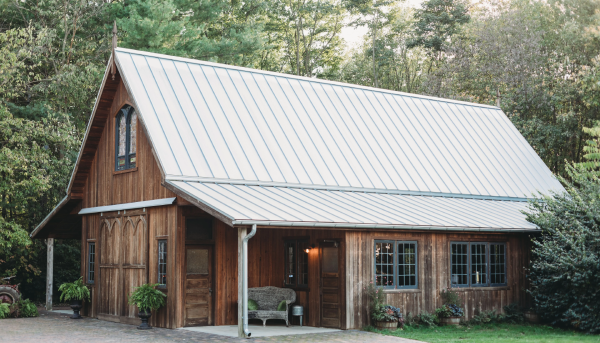
- Standing Seam Metal Roofing: Features raised seams that connect panels, reducing the risk of water ingress. This type is favored for its sleek appearance and exceptional durability, making it ideal for various commercial applications.
- Metal Tile Roofing: Mimics the appearance of traditional clay or concrete tiles but is lighter and more durable. Metal tiles are often chosen for commercial buildings that require a specific aesthetic without sacrificing the performance benefits of metal.
- Corrugated Metal Roofing: Known for its characteristic rippled shape, corrugated metal is robust and highly impact-resistant, commonly used in industrial and agricultural settings due to its strength and ease of installation.
- Metal Shingle Roofing: Offers a look similar to traditional shingles but with the longevity and fire resistance of metal. This type is versatile for use in commercial settings that require a more traditional appearance.
What type of metal roofing is best for commercial material?
| Attribute | Steel | Aluminum | Copper | Tin | Zinc |
|---|---|---|---|---|---|
| Pros | Durable, cost-effective, recyclable | Lightweight, corrosion-resistant, recyclable | Extremely durable, develops protective patina, prestigious | Affordable, lightweight, easy to install | Durable, corrosion-resistant, low maintenance |
| Lifespan | 40-60 years | 50+ years | 100+ years | 40-50 years | 60-100 years |
| Thickness | Typically 0.45 mm to 1.5 mm | 0.7 mm to 1.5 mm | Generally 0.7 mm to 1.2 mm | Generally 0.5 mm to 1 mm | 0.7 mm to 1.5 mm |
| Durability | High with proper coating | High, but prone to denting | Very high, naturally weathers | Moderate, prone to denting | Very high, forms protective layer |
| Environmental Impact | Recyclable, but production is energy-intensive. | Highly recyclable, lower environmental impact. | Highly recyclable, long-lasting reduces waste. | Less commonly used, recycling depends on coating. | Highly sustainable, completely recyclable. |
| Maintenance Requirements | Regular inspections, re-coating needed. | Low maintenance, occasional cleaning. | Low maintenance, periodic polishing if patina not desired. | Requires regular maintenance to prevent corrosion. | Minimal maintenance, periodic cleaning. |
| Famous Buildings | Used in modern commercial buildings globally | Iconic modern architecture like the Guggenheim Bilbao | Statue of Liberty, roofing of historic buildings | Less common in famous buildings | Used in architecturally significant buildings like the Weald and Downland Gridshell |
Step-by-Step Commercial Roof Installation Process
1. Initial Consultation and Planning
- Conduct a thorough inspection of the existing roof (if applicable) and the building structure to assess conditions, identify any potential issues, and determine load capacity.
- Choose the type of metal roofing system (e.g., standing seam, corrugated, metal tiles) based on the building's design, environmental conditions, and budget. Finalize the color, finish, and technical specifications.
- Obtain all necessary permits from local building authorities to ensure compliance with building codes and safety regulations.
2. Preparation of the Roofing Area
- If retrofitting, carefully remove the existing roofing material and dispose of it according to local regulations.
- Ensure the roof deck is clean, dry, and free of debris. Repair or replace any damaged or rotten decking.
3. Installation of Insulation and Underlayment
- Install thermal insulation to improve energy efficiency. The type of insulation will depend on climate and building energy requirements.
- Roll out the underlayment material over the insulation or roof deck, starting from the lowest edge of the roof. Overlap sections as specified by the manufacturer to ensure a water-tight layer.
4. Metal Roofing Material Installation
- If necessary, cut metal panels to the required lengths, taking care to ensure clean, straight edges for a precise fit.
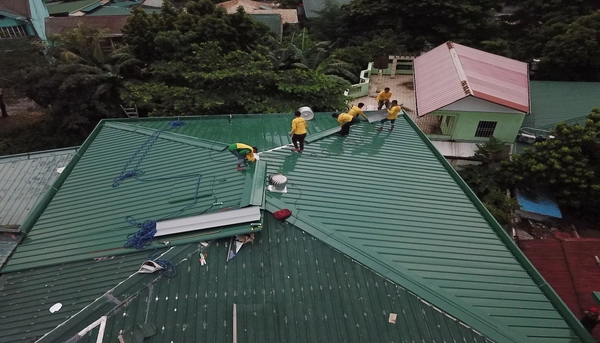
- Begin at the lowest edge of the roof and attach metal panels using screws or clips, depending on the system design. Overlap panels as directed for weather-tightness.
- Apply sealant and install metal flashing around roof penetrations, edges, and at joints to prevent water ingress. This includes vents, HVAC units, and skylights.
5. Finishing Touches
- Install trim pieces along edges, corners, and ridges to enhance aesthetics and protect. Attach gutters and downspouts to ensure proper drainage from the roof, helping to prevent water damage and manage runoff.
What is the best roofing for commercial buildings?
The best roofing for commercial buildings is often a metal roofing system, particularly standing seam metal, due to its durability, minimal maintenance requirements, and energy efficiency. Metal roofs are known for their longevity, with lifespans often exceeding 40 years, and their ability to reflect solar heat, which reduces cooling costs.
Who is the best Metal roofing manufacturer?
Englert Inc. is highly regarded as one of the top metal roofing manufacturers, known for their exceptional quality and innovative approach to metal roofing systems. Based in Perth Amboy, New Jersey, Englert specializes in durable and aesthetically versatile standing seam metal roofs.
They offer products that are both made from recycled materials and fully recyclable, aligning with the latest sustainability standards. Their comprehensive warranties and dedicated customer service make them a preferred choice among contractors and developers seeking reliable, long-lasting roofing solutions.
Metal Roofing Vs. Shingle Roofing
| Feature | Metal Roofing | Shingle Roofing |
|---|---|---|
| Material Lifespan | 40-70 years | 15-30 years |
| Durability | Highly durable, resistant to cracking | Less durable, prone to damage |
| Maintenance | Low maintenance | Requires more maintenance |
| Energy Efficiency | More energy-efficient, reflects heat | Less energy-efficient |
| Installation | More complex, requires skilled installers | Easier and quicker to install |
| Weight | Lightweight, reduces structural stress | Heavier, more stress on roof structure |
| Environmental Impact | More eco-friendly, often recyclable | Less eco-friendly, generates more waste |
| Aesthetic Variety | Available in various styles and colors | Limited styles, mostly traditional |
| Weather Resistance | Excellent, withstands severe weather | Good, but vulnerable to extreme weather |
| Resale Value | Increases property value | Less impact on property value |
Maintenance and Care for Metal Roofs
- Schedule bi-annual inspections to check for any signs of damage or wear, such as seam separations or corrosion, and address them promptly.
- Keep the roof and gutters clear of leaves, branches, and other debris to prevent moisture retention and ensure proper water drainage.
- Periodically clean the roof surface to remove dirt and environmental pollutants that can corrode the metal or degrade its appearance.
- Regularly inspect sealants and fasteners for signs of wear or failure, and replace them as needed to maintain the roof's integrity and waterproofing.
- Act quickly to repair any damage, such as dents, scratches, or punctures, to prevent further issues and extend the roof's lifespan.
What is the biggest problem with metal roofs?
The biggest problem with metal roofs can be corrosion, especially if they are not properly coated or if the coating deteriorates over time. Regular maintenance is required to manage this issue effectively.
Are metal roofs noisy in the rain?
Metal roofs can be noisier than other roofing materials during rain or hail without adequate insulation. However, with proper underlayment and attic insulation, noise levels can be significantly reduced.
Can you paint a metal roof?
Yes, you can paint a metal roof. It's important to use paint specifically designed for metal roofing to ensure adherence and durability. Painting can help extend the life of a roof by providing additional protection against the elements and updating its appearance.
When should you replace a metal roof?
A metal roof should be replaced when it shows signs of extensive wear, such as significant rusting, numerous leaks, or when many of its fasteners or seals have failed. Typically, metal roofs last 40-70 years, depending on the material and maintenance.
Why are flat roofs common on larger commercial buildings?
Flat roofs are common on larger commercial buildings because they are cost-effective to install and maintain, provide space for equipment like HVAC units, and are ideal for installing solar panels. Additionally, flat roofs facilitate architectural flexibility for large building designs.
What is the best roofing material for high wind?
Metal roofing is one of the best materials for high-wind areas due to its durability and the way it can be securely fastened to the roof structure. Metal roofs can withstand significantly higher wind uplift pressures compared to other roofing materials.