Types of Metal Roofs: What You Need to Know
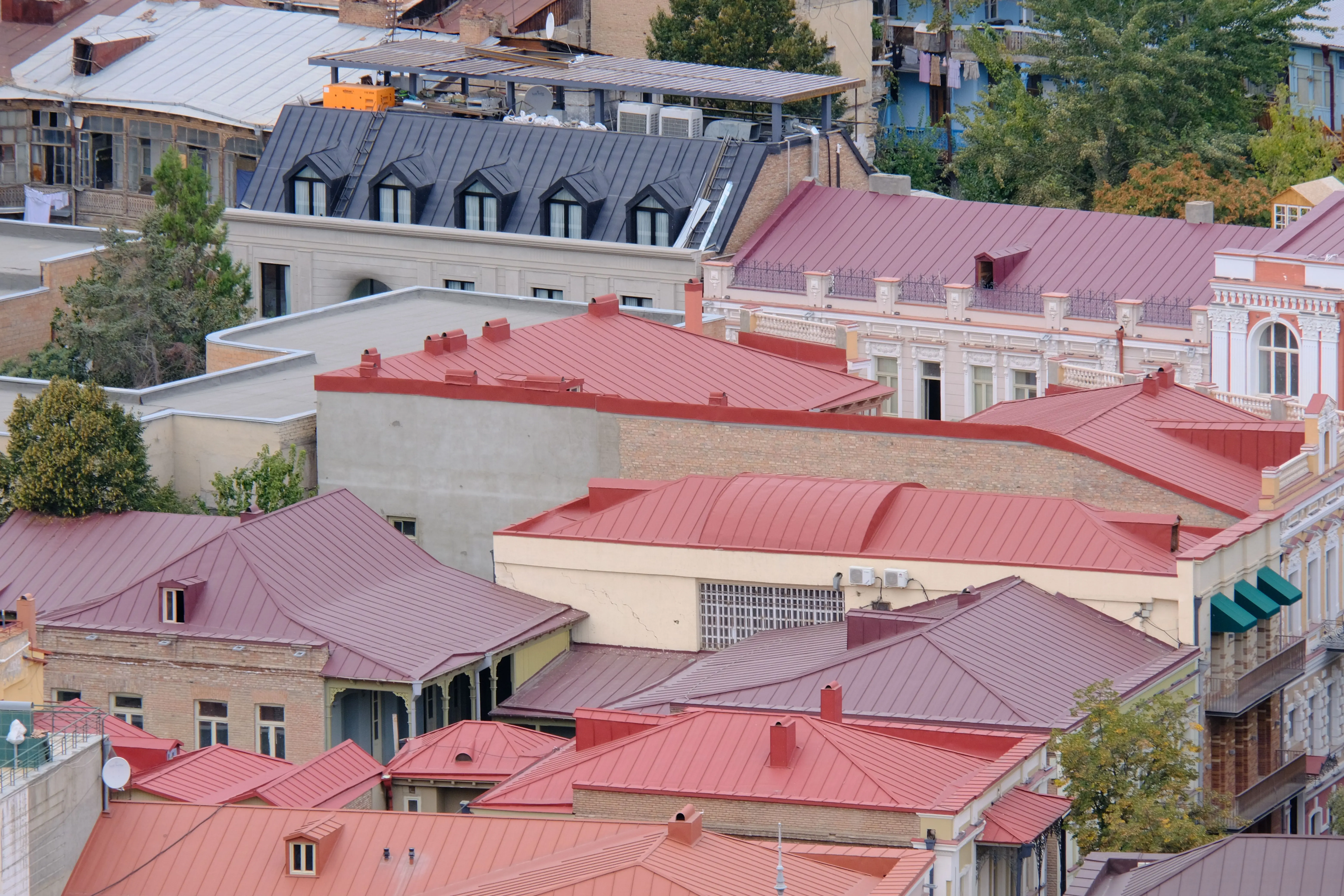
Elevate your roofing game with the perfect metal roof, where style meets strength. Metal roofing isn't just a choice—it's a statement of durability, efficiency, and elegance. Whether you're drawn to the modern allure of aluminum, the classic charm of copper, or the cost-effective resilience of steel, there's a metal roof to suit every taste and need. From tin’s traditional reliability to zinc’s long-lasting eco-friendliness, and Englert’s cutting-edge designs, each type offers its own unique advantages. Dive into the world of metal roofing and discover how to protect and enhance your property with the best in class.
Standing Seam Metal Roofing
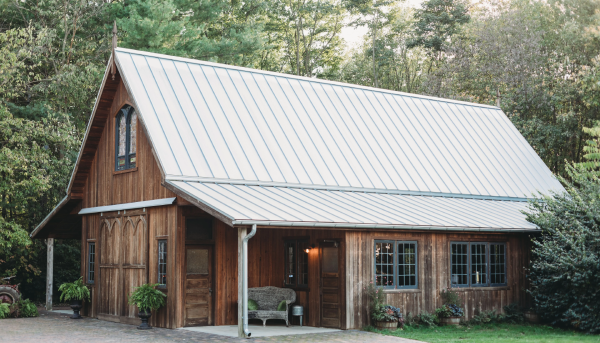
Standing seam metal roofing is a popular choice characterized by its distinctive vertical panels with raised seams that snap together. This design creates a smooth, uninterrupted surface that is both aesthetically pleasing and highly functional. Standing seam roofs are typically made from high-quality metals such as steel, aluminum, or copper, and they are designed to last for decades with minimal maintenance. While exposed fastener panels are typically less expensive, concealed fastener metal roofing provides better weather sealing and longevity.
Advantages of Standing Seam Metal Roof
- Superior Water Resistance: The raised seams form a secure interlock that prevents water from penetrating the roof, making it highly effective at keeping the interior dry, even in heavy rain or snow.
- Durability: Standing seam roof is exceptionally resilient and capable of withstanding extreme weather conditions, including high winds, hail, and heavy snowfall.
- Low Maintenance: With fewer seams and joints than traditional roofing systems, standing seam roofs require less maintenance and are less prone to leaks and damage.
- Energy Efficiency: Many standing seam metal roofs come with reflective coatings that help reduce heat absorption, leading to lower cooling costs and improved energy efficiency.
- Aesthetic Appeal: The sleek, modern appearance of standing seam metal roofing adds a contemporary touch to any building, with a variety of colors and finishes available to suit different architectural styles.
Aluminum Roofing
Aluminum roofing is known for its lightweight nature, resistance to corrosion, and ease of installation. It’s an excellent choice for coastal areas with high salt content in the air, as it doesn’t rust or corrode easily.
Advantages of Aluminum Roofing
- Durability: Resistant to rust and corrosion, making it ideal for coastal regions.
- Lightweight: Easier to handle and install compared to heavier materials.
- Energy Efficiency: Reflects sunlight, helping to reduce cooling costs.
- Maintenance: Requires minimal maintenance but should be inspected regularly for any signs of damage or wear.
Copper Roofing
Copper roofing is renowned for its classic look and long-lasting performance. It develops a distinctive patina over time, which can add character and charm to any structure.
Advantages of Cooper Roofing
- Longevity: Can last over 100 years with proper maintenance.
- Aesthetic Appeal: Develop a unique green patina, adding visual interest.
- Low Maintenance: Naturally resistant to rust and corrosion.
- Maintenance: Copper roofing is low maintenance but should be cleaned occasionally to maintain its appearance and prevent discoloration.
Tin Roofing
Tin roofing is a traditional roofing material known for its durability and affordability. It’s often used in historic renovations and is appreciated for its ease of installation and versatility.
Advantages of Tin Roofing
- Cost-Effective: More affordable than other metal roofing options.
- Durability: Resistant to wind and impact damage.
- Versatile: Can be painted or coated to match the aesthetic of the building.
- Maintenance: Tin roofs need regular inspections and re-coating to protect against rust and maintain their appearance.
Zinc Roofing
Zinc roofs are highly durable and develop a protective patina over time. It is valued for its sustainability and resistance to the elements.
Advantages of Zinc Roofing
- Longevity: Can last 60-100 years.
- Corrosion Resistance: Highly resistant to corrosion and rust.
- Sustainability: Zinc is a recyclable material, making it an environmentally friendly choice.
- Maintenance: Zinc roofing generally requires minimal maintenance. It’s self-healing due to its patina, which helps prevent corrosion.
Metal or Steel Roofing
Metal or steel roofing is a popular choice for both residential and commercial applications due to its strength, durability, and cost-effectiveness. A steel and metal roofing system is available in various coatings and finishes, making them versatile for different styles and needs.
Advantages of Metal or Steel Roofing
- Strength: Provides excellent protection against extreme weather conditions.
- Cost-Effective: More affordable than copper or zinc roofing.
- Variety: Available in different styles, including standing seam and metal panels.
- Maintenance: Regular inspections and maintenance are recommended to ensure the protective coating remains intact and to address any potential issues.
Galvalume Metal Roofing
Galvalume metal roofing is a popular choice for both residential and commercial applications due to its strength, durability, and cost-effectiveness. A Galvalume roofing system is available in various coatings and finishes, making it versatile for different styles and needs.
Advantages of Galvalume Metal Roofing
- Strength: Provides excellent protection against extreme weather conditions.
- Cost-Effective: More affordable than copper or zinc roofing.
- Variety: Available in different styles, including standing seam and metal panels.
- Maintenance: Regular inspections and maintenance are recommended to ensure the protective coating remains intact and to address any potential issues.
Corrugated Metal Roofing
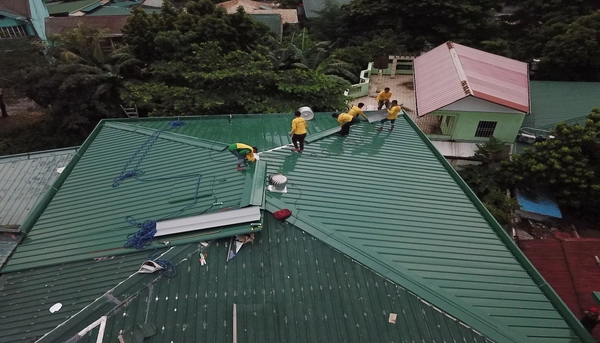
A corrugated metal roof features a series of wavy or ridged panels that are designed to enhance structural strength and durability. Typically made from materials such as steel, aluminum, or zinc, this type of roofing is known for its distinctive, ribbed appearance and is commonly used in both residential and commercial settings. The corrugated roofing design helps to channel rainwater away from the roof and is often chosen for its robust performance and affordability.
Advantages of Corrugated Metal Roofing
- Strength and Durability: The corrugated design enhances the roofing material's strength, allowing it to withstand heavy loads and resist impacts from hail or debris.
- Cost-Effectiveness: Corrugated metal roofing is often more affordable than other types of metal roofs, making it a budget-friendly option for many projects.
- Ease of Installation: The lightweight nature of corrugated panels simplifies installation, which can reduce labor costs and installation time.
- Versatility: Available in a variety of materials and finishes, corrugated metal roofing can be tailored to suit different architectural styles and preferences.
- Weather Resistance: The corrugated structure effectively channels rainwater and snow away from the roof, helping to prevent water accumulation and leaks.
- Low Maintenance: Corrugated metal roofs require minimal maintenance, as their design and materials resist rust, corrosion, and damage from the elements.
Englert Metal Roofs
Englert offers a range of specialized metal roofing solutions designed to meet various architectural and structural needs. Here’s a closer look at their offerings:
Curved Panel Roofs
Englert’s curved panel roofs provide a sleek and modern look, ideal for both residential and commercial applications. These panels are customizable and can be designed to fit a wide range of architectural styles.
Advantages of Curved Panel Roofs
- Aesthetic Appeal: Adds a unique and stylish element to any building.
- Versatility: Can be used on a variety of roof shapes and designs.
Structural Metal Roofing Systems
Englert’s structural metal roofing panel is designed for durability and performance. These metal roofing styles are engineered to support heavy loads and provide long-lasting protection.
Advantages of Structural Metal Roofs
- Strength: Capable of withstanding harsh weather conditions and heavy loads.
- Longevity: Designed for long-term performance with minimal maintenance.
Architectural Metal Roofs
Architectural metal roofs by Englert offer a high level of customization and design flexibility. They are available in various finishes and profiles, making them suitable for diverse architectural styles.
Advantages of Architectural Metal Roofs
- Design Flexibility: Allows for creative and unique roofing solutions.
- High-Quality Finishes: Available in a range of colors and finishes to match any design preference.
The Last Words
Choosing the right metal roofing material depends on various factors, including budget, aesthetic preference, and specific needs. Whether you opt for aluminum, copper roof, tin, zinc roof, or steel panels, each type of metal roofing offers unique benefits and considerations. In addition to the type of metal roofing you use, you also need to choose the style. Whether you prefer metal sheets or metal shingles, there are several options for you to choose from.
Englert’s specialized metal roofing materials further enhance the options available, providing tailored solutions for both structural and architectural needs. By understanding the different types of metal roofs and their advantages, you can make an informed decision that ensures durability, style, and value for your property.