Metal Roof Leak Repair - Tips, Causes, Solutions, Misconconception
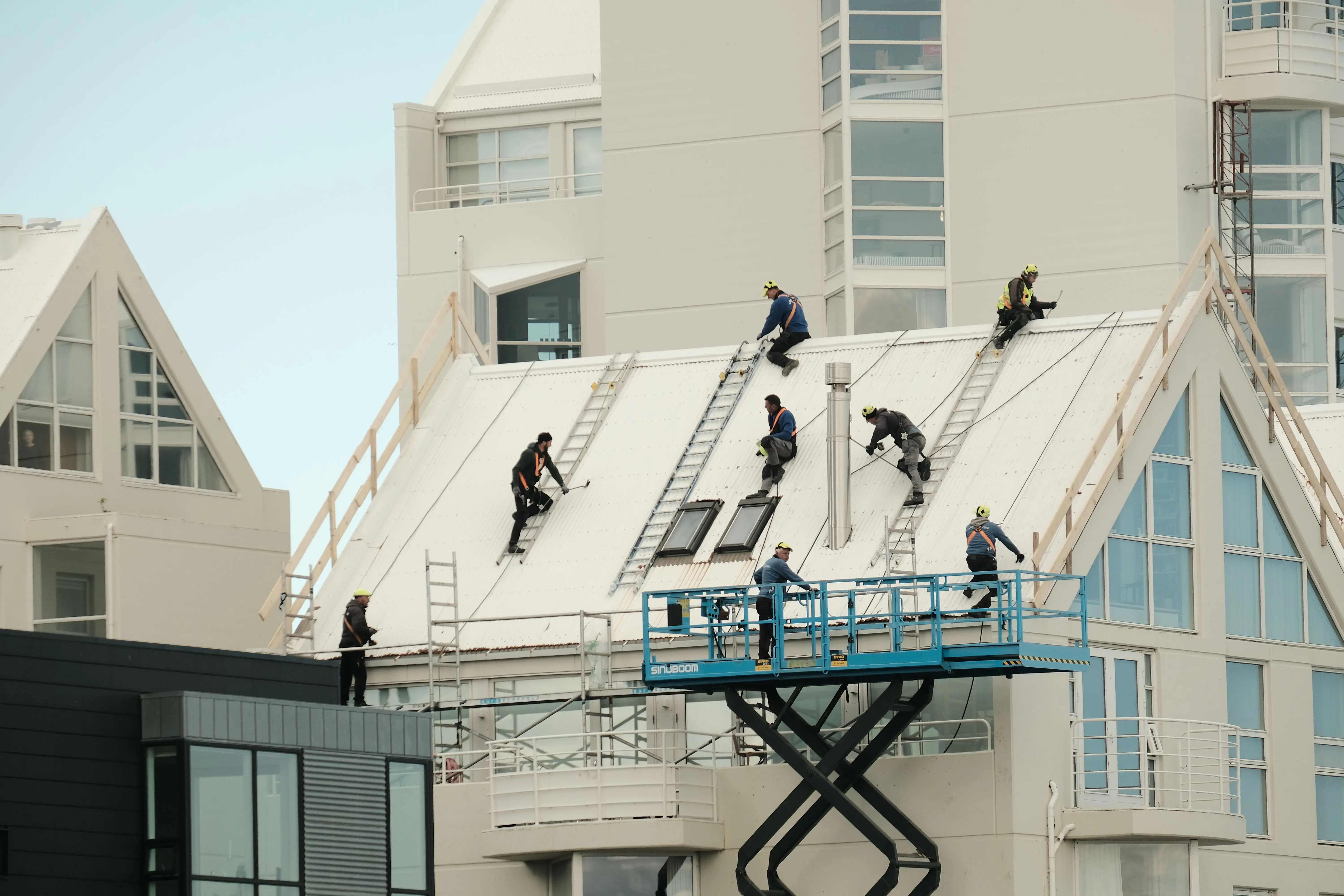
Metal roofs are known for their durability, longevity, and resistance to harsh weather conditions. However, like any roofing system, they can develop leaks over time due to factors such as improper installation, aging materials, or environmental wear. Left unchecked, even a small leak can lead to significant problems, including water damage, mold growth, and structural deterioration.
This comprehensive guide explores the common causes of metal roof leaks, effective repair solutions (such as sealants, patching, panel replacement, and waterproofing), and essential maintenance tips to prolong your roof’s lifespan. Additionally, we debunk common misconceptions about metal roofing to help you make informed decisions about your roof’s care.
Whether you're dealing with a minor drip or a persistent leak, understanding the root cause and applying the right fix can save you time, money, and future headaches. Let’s dive into the best practices for detecting, repairing, and preventing metal roof leaks.
Repair Solutions for Metal Roof Leaks
1) Sealants and Caulk
Leaks in a metal roof can lead to water damage, mold growth, insulation deterioration, and compromised structural integrity if left unchecked. Even a small leak can grow worse over time, seeping into layers of the roof deck and interior. One of the most common ways to address these leaks is by using sealants and caulks, but before you repair anything, it’s necessary to detect the leak properly.
Signs include water stains on ceilings, rust spots on the metal panels, missing fasteners, or visible gaps around seams, flashing, or roof penetrations like chimneys and vents. During daylight hours, entering the attic and looking for light piercing through the roof can help pinpoint problem areas.
Once detected, the repair process should begin with cleaning the metal surface—remove dirt, rust, and old sealant with a wire brush and clean the area using mineral spirits. Apply a high-quality waterproof sealant designed for metal roofs directly over seams, fasteners, or holes. Make sure the product bonds well with the metal and remains flexible through temperature changes.
What is the Best sealant for metal roof leak?
Urethane-based sealants and butyl rubber caulks are among the best products for sealing metal roof leaks. They offer durability, UV resistance, and strong adhesion even under extreme weather conditions.
Bonus Tip: Always apply sealant in dry conditions and follow the manufacturer's curing time for the best result.
2) Patching
Fixing a leak on a metal roof is important because even a small breach can lead to water damage, rust, and long-term structural issues. Leaks typically begin at joints, seams, fasteners, or where panels have been punctured or misaligned.
To detect the issue, start by inspecting the roof during or after a rainstorm, checking for drips, damp insulation, discolored ceiling patches, or rust lines on the roof panels. Once the source is identified, patching is a practical solution. Begin by cleaning the area thoroughly to remove dirt, debris, and loose rust.
Next, use a wire brush or sandpaper to roughen the surface for better adhesion. Apply a waterproof roofing sealant or butyl tape over the crack or hole, and press down a patch of metal or a specially designed roof repair mesh.
Make sure it overlaps the damaged area by a few inches on all sides, then seal over the patch again with another layer of roofing sealant. Let it dry completely before exposing it to rain. As for the best product to use, a high-quality, flexible, UV-resistant sealant like Eternabond tape or Dicor metal roof sealant is often recommended.
3) Replacing Damaged Panels and Replacements
Leaks in metal roofs can quietly escalate from minor drips to widespread structural issues, especially when left untreated. Replacing damaged panels is one of the most direct ways to stop persistent leaks that keep reappearing despite patching. These issues often begin with warped, rusted, or punctured panels—typically around fasteners, seams, or areas exposed to debris buildup.
The first sign is usually water spots on ceilings, damp insulation, or visible rust spreading from screw holes. During inspection, look for warped sheet edges, lifted screws, or panels that move slightly when walked on—these are all indicators of compromised sealing.
To repair this, start by unscrewing the faulty panel, making sure to check the surrounding structure beneath for water damage or corrosion. Use a matching replacement panel made of the same gauge and metal type to ensure consistency and prevent galvanic corrosion. Fasten the new panel with neoprene washer screws and apply a high-quality sealant along all seams.
4) Flashing Repair or Replacement
One of the most common places leaks form is around the flashing—those thin metal strips that seal off edges, joints, and roof penetrations like vents or chimneys. Over time, flashing can rust, pull away, or degrade due to movement or weather exposure, creating small gaps that allow water to seep in.
Spotting this kind of leak often requires a close inspection—look for water stains on ceilings, damp insulation, rust streaks near seams, or even daylight peeking through where there shouldn’t be.
Once identified, the flashing needs to be either resealed with high-grade roofing sealant or replaced entirely if corrosion is visible. Before applying sealant, it’s essential to clean the surface and remove any loose debris or previous failed sealant.
5) Roof Coatings
Metal roof leaks can quickly spiral into widespread water damage if the surface begins to break down. A common culprit is aged or deteriorated paint and sealants that allow moisture to penetrate through the panels or seams.
The first sign of this issue is often subtle—small rust spots, flaking paint, or faint water rings inside the building. You might also notice cooler or damper areas on ceilings after rain. Repairing this type of leak involves applying a dedicated roof coating that creates a watertight, UV-resistant barrier across the entire metal surface.
Before application, the roof must be cleaned thoroughly—usually with a pressure washer—and any rust or loose material removed using a wire brush or grinder. Joints, seams, and screws should be sealed using a high-quality seam tape or mastic before the coating is rolled or sprayed on. Acrylic-based and silicone-based coatings are commonly used, each offering specific advantages. Silicone, for example, has strong water resistance and is ideal for regions with heavy rainfall, while acrylic offers better reflectivity.
6) Install a roof coating system over the existing metal roof
Leaks in a metal roof can start out small but cause damage quickly—rust, rot in the structure below, mold, and insulation failure are just a few of the issues that can follow. These leaks often begin with tiny cracks at fasteners, seams, flashing points, or from general wear in the coating over time. Spotting the issue early means looking for discolored ceiling panels, wet insulation, rust streaks, or water pooling during rain. You may also notice drips or water trails on support beams in your attic.
Once you've identified that your metal roof is leaking, installing a roof coating system can be an effective solution. This involves thoroughly cleaning the roof surface, sealing fasteners and seams with a compatible sealant, and then applying an elastomeric or silicone coating over the entire area.
This coating acts as a waterproof barrier and adds a flexible layer that can expand and contract with temperature changes, helping to prevent future leaks.
7) Waterproofing
Addressing leaks in a metal roof is essential to prevent structural damage and mold growth. To identify leaks, inspect the roof for rust spots, loose or missing fasteners, and gaps in seams or joints. Once a leak is detected, clean the area thoroughly to remove debris and rust.
For repairs, applying a liquid rubber waterproof sealant is effective; this can be done using a brush, roller, or sprayer to ensure even coverage. It's important to allow each layer to dry thoroughly before applying the next.
For sealing seams or cracks larger than 1/8 inch, use seam tape prior to applying the sealant. Regular maintenance and inspections will help prolong the roof's lifespan and prevent future leaks.
How to find where a metal roof is leaking?
Detecting leaks in a metal roof is essential to prevent structural damage and interior issues. Begin with a visual inspection, looking for puncture holes from debris, rust damage, misaligned or loose screws, and shifted metal panels.
Pay close attention to areas around roof penetrations like vents and chimneys, as these are common leak sources. For hard-to-find leaks, using a hose to simulate rainfall can help identify the exact location of water ingress.
How to stop a metal roof leak in the rain?
Addressing a metal roof leak during rainfall requires immediate, albeit temporary, measures to minimize interior damage. Place containers under active leaks to catch water and protect belongings. Once the rain subsides, apply a waterproof sealant or roofing tape to the identified leak areas as a temporary fix.
It's crucial to consult a professional roofer promptly to assess and perform permanent repairs to prevent future issues.
How do you fix a leaking Aluminium roof?
Repairing a leaking aluminum roof involves several steps. First, clean the affected area thoroughly to remove dirt and debris. Next, apply a suitable sealant designed for metal roofs to the leak site, ensuring it adheres well to aluminum.
For larger leaks or damaged panels, replacing the affected sections may be necessary. Regular inspections and maintenance help in early detection and prevention of leaks.
How do you maintain a metal roof?
Regular maintenance of a metal roof extends its lifespan and ensures optimal performance. Key practices include cleaning debris from the roof surface and gutters, inspecting for and addressing scratches or corrosion, checking and replacing sealants around penetrations, and ensuring that fasteners are secure. Trimming overhanging branches prevents physical damage and reduces debris accumulation.
What type of maintenance is needed on a metal roof?
Maintenance for a metal roof encompasses both routine and structural tasks. Routine maintenance involves cleaning the roof surface, gutters, and downspouts to prevent water buildup. Structural maintenance includes inspecting and tightening fasteners, checking for panel movement, and assessing sealants and flashings for wear or damage. Engaging a professional for periodic inspections ensures that potential issues are identified and addressed promptly.
What is the most common leak on a metal roof?
The most prevalent cause of leaks in metal roofs is issues with roofing screws. These screws may be under-driven, over-driven, misaligned, or missing, leading to improper sealing and water penetration. Regular inspection and maintenance of fasteners are crucial to prevent such leaks.
What are the Common Causes of Metal Roof Leaks
| Scenario | Potential Causes |
|---|---|
| Residential | Improper installation, aging materials, lack of maintenance |
| At Overlap | Capillary draw between overlapping panels, degraded sealants |
| Commercial Building | High foot traffic leading to physical damage, HVAC unit installations causing leaks |
| In Heavy Rain | Clogged gutters, insufficient drainage, compromised sealants |
| Skylight | Failed flashing, improper installation, degraded seals |
| Curb Flashings | Poor installation, material degradation, water pooling |
| Damaged Flashing | Physical damage, corrosion, improper sealing |
| Missing Sealants | Weathering, poor initial application, lack of maintenance |
| Stack Flashings | Deterioration over time, improper sealing, thermal movement |
| Clogged Gutters | Debris buildup leading to water overflow and infiltration |
| Metal Roofing Screws | Overdriven, underdriven, or misaligned screws causing gaps |
| Corrosion | Exposure to moisture and pollutants, lack of protective coatings |
| Open Laps | Improper sealing between panels, thermal expansion and contraction |
| Overlaps | Capillary action drawing water between panels, insufficient sealant use |
| Broken Shingles | Physical damage, aging materials, weather impact |
| Fastener Issues | Loose, missing, or improperly installed fasteners |
| Sealants | Aging, weathering, improper application |
| Age of Roof | Natural wear and tear, material degradation over time |
| Improper Use of Metal Roof Fasteners | Using incorrect fasteners, improper installation techniques |
| Metal Roofing Rust | Lack of protective coatings, exposure to corrosive elements |
| Roof Slope | Inadequate slope leading to water pooling and penetration |
| Rusting Roof | Prolonged exposure to moisture, lack of maintenance |
| Seams | Poorly sealed seams, thermal movement causing separation |
| A Screw Loose | Loose fasteners due to thermal expansion/contraction, improper installation |
| Cracked Chimney | Deteriorated mortar, failed flashing, thermal stress |
| Improper Installation | Use of incorrect materials, poor workmanship, failure to follow manufacturer guidelines |
Factors That Can Cause Leaks In Sheet Metal Roofing
Leaks in sheet metal roofing can result from:
- Improperly secured panels: Loose or inadequately fastened panels can shift, creating openings for water.
- Deflection: Structural sagging or deflection can lead to water pooling and eventual leaks.
- Movement: Thermal expansion and contraction can cause panels to move, potentially breaking seals and allowing water ingress.
What type of metal roof is best?
The ideal type of metal roof depends on factors like climate, budget, and aesthetic preferences. Common options include:
- Steel: Durable and cost-effective, suitable for various climates.
- Aluminum: Lightweight and corrosion-resistant, ideal for coastal areas.
- Copper: Long-lasting with a distinctive appearance, though more expensive.
- Zinc: Offers longevity and develops a protective patina over time. Each material has unique benefits and considerations.
How can I make my metal roof last longer?
To extend the lifespan of your metal roof:
- Conduct regular inspections: Identify and address issues like loose fasteners or sealant failures promptly.
- Clean the roof surface and gutters: Prevent debris buildup that can retain moisture and cause corrosion.
- Address minor repairs immediately: Prevent small problems from escalating into major issues.
- Consider protective coatings: Applying a roof coating can enhance durability and weather resistance.
What are the Common Misconceptions About Metal Roofing
Several myths surround metal roofing, including:
- Metal roofs are noisy during rain: Proper insulation and installation make them comparable in noise to other roofing types.
- They attract lightning: Metal roofs do not increase the likelihood of lightning strikes.
- They rust easily: Modern metal roofs are designed with protective coatings to resist rust.
- They are easily dented by hail: High-quality metal roofing materials are engineered to withstand typical hail impacts without significant damage.