Difference Between Metal Roof vs Shingles
Choosing the right roofing material is one of the most important decisions homeowners and contractors face. Your roof isn’t just a protective shield against the elements—it affects your home’s energy efficiency, long-term maintenance needs, aesthetics, and even resale value. With evolving technology, environmental considerations, and design trends, homeowners now find themselves primarily choosing between two dominant roofing types: metal roofing and asphalt shingles.
In this detailed guide, we’ll explore both options, not just in terms of features but also their origins, construction, and suitability for different homes. You’ll learn how each roofing system performs across critical factors like lifespan, energy efficiency, installation, and more. Whether you're building a new home or replacing an existing roof, this comparison will help guide your decision.
Quick Answer
| Factor | Metal Roof | Asphalt Shingles |
|---|---|---|
| Average Lifespan | 40–70 years (some up to 100) | 15–30 years |
| Durability | Excellent (fire, wind, snow, hail) | Moderate |
| Maintenance | Low | Medium to High |
| Energy Efficiency | Reflects solar heat | Absorbs heat |
| Resale Value | Up to 6% higher home value | ~60% ROI on resale |
| Noise During Rain | Can be loud (fixable with insulation) | Quiet |
| Environmental Impact | Highly recyclable | Often ends up in landfills |
What Is a Metal Roof?
Metal roofing dates back thousands of years. Some of the earliest uses include copper roofing in ancient Rome and Japan. Notably, the Pantheon in Rome, constructed in 27 B.C., had a bronze roof. In the U.S., metal roofing gained popularity in the 19th century with the advent of corrugated iron and standing seam metal roofs.
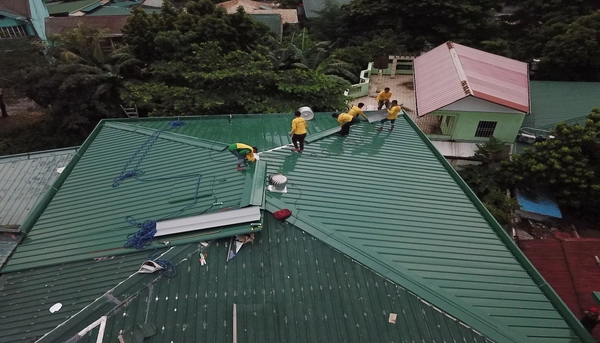
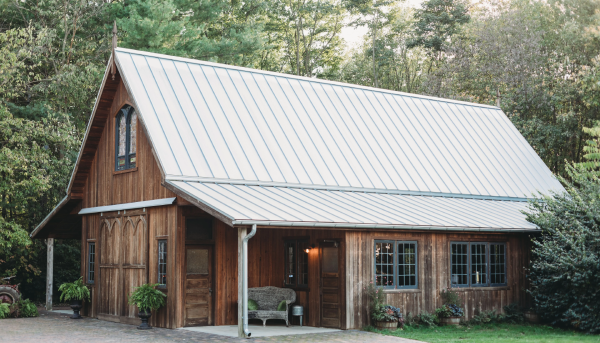
Today, metal roofs are made from a variety of materials including steel, aluminum, zinc, and copper. They come in panels or shingles and are installed with overlapping seams or standing seams for superior waterproofing. Modern metal roofs are known for their sleek appearance, durability, and ability to mimic traditional roofing styles.
Homeowners often opt for metal roofing because of its exceptional lifespan, resistance to extreme weather, low maintenance requirements, and modern curb appeal. It’s also a more sustainable option, as most metal roofing materials are recyclable. Learn more about metal roof advantages.
What Is a Shingle Roof?
Asphalt shingles emerged in the early 1900s in the U.S., replacing wooden shingles that posed a significant fire risk. By the 1930s, asphalt shingles became widely used due to their fire resistance, affordability, and ease of installation. Today, they are the most common roofing material in North America.
Shingle roofs are typically made from fiberglass or organic mat base coated with asphalt and topped with mineral granules. They come in three-tab or architectural styles, offering various levels of durability and aesthetic appeal.
Homeowners choose asphalt shingles because they are cost-effective, easy to install, and widely available. They also offer adequate durability and protection in moderate climates and are familiar to most contractors and inspectors.
Longevity
Metal roofs are designed to last. A well-installed metal roof can easily exceed 40 to 70 years, with materials like copper and zinc known to last over a century. Their resistance to rot, insects, and mold contributes to their extended lifespan. Learn more in our article on metal roof performance.
In contrast, asphalt shingles have a shorter service life. Traditional 3-tab shingles generally last 15 to 20 years, while higher-quality architectural shingles may reach up to 30 years with proper maintenance. However, shingles are more susceptible to environmental wear.
Weather Protection
Metal roofing systems offer excellent protection in extreme weather conditions. They can withstand wind speeds up to 140 mph, are highly resistant to impact, and are naturally fireproof. Their smooth surface sheds snow and ice easily, making them ideal for cold climates.
Shingles can perform well under typical weather conditions but are more vulnerable in high-stress environments. Wind can lift and tear shingles, hail can cause cracks, and prolonged moisture can lead to algae growth or mold. While many are rated for fire resistance, their asphalt base is inherently combustible.
Energy Efficiency
Metal roofing reflects solar radiant heat rather than absorbing it. Many metal roofs are treated with specialized cool roof coatings that enhance thermal performance. This can lead to noticeable reductions in air conditioning demand, especially in warmer climates.
Shingle roofs typically absorb heat, particularly darker colored shingles. This retained heat can increase cooling loads during hot months, potentially raising energy bills. Some newer shingle products attempt to reflect more light, but overall, metal remains the more energy-efficient option.
Maintenance
Metal roofing systems require minimal maintenance. Routine inspections and occasional cleaning are usually sufficient. Their resistance to moss, mildew, and insects contributes to their low upkeep profile.
Shingle roofs demand more frequent attention. Granule loss, cracked or curled shingles, and damage from wind or debris are common issues. Homeowners often need to replace individual shingles or perform patching over time.
Installation
Installing a metal roof is a precise process that typically requires experienced professionals. The panels or shingles must be properly aligned, fastened, and sealed to ensure durability and water resistance. Not all roofing contractors are qualified for this specialized work.
Asphalt shingles are easier and faster to install. Most roofing professionals are familiar with shingle application, and the materials are simpler to handle and cut. This ease of installation can result in quicker project timelines.
Design & Aesthetics
Metal roofs offer a wide range of design options. They come in numerous colors, profiles, and finishes—including styles that mimic slate, tile, or wood shake. Their clean lines and bold appearance suit modern, rustic, or contemporary homes.
Shingle roofs maintain a traditional look and are available in a more limited palette, usually consisting of earth tones and dark shades. While architectural shingles add dimension and visual interest, they don't offer the same degree of customization as metal.
Which is better: metal roof or shingles?
It depends on what matters most to you. Metal roofs are more durable and energy-efficient, lasting up to 70+ years. Shingles are less expensive upfront and easier to install, but they typically last 15–30 years. Choose metal for longevity and resilience; choose shingles for affordability and quick installation.
What is the disadvantage of a metal roof?
Metal roofs have a higher initial installation cost and require skilled labor to install correctly. In colder climates, they can make heating slightly less efficient, and without proper insulation, they can be noisier during rain or hail.
What are the benefits of a metal roof over shingles?
Metal roofs last significantly longer, require less maintenance, and are more resistant to extreme weather, fire, and rot. They also reflect heat better, improving energy efficiency in warm climates and often increasing property value.
What happens if lightning strikes a metal roof?
Metal roofs do not attract lightning, but if lightning does strike, the metal safely disperses the electrical charge across the structure. Being non-combustible, metal roofs actually lower the risk of fire from lightning strikes.